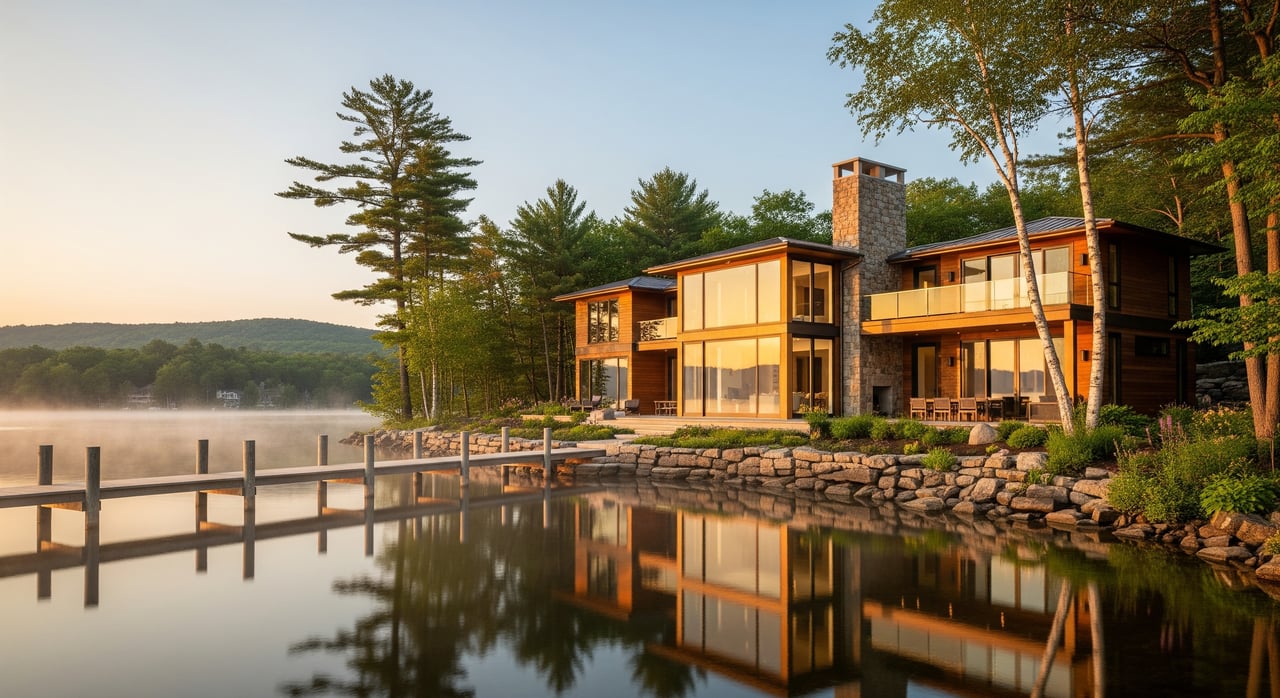
Shopping for a Walloon Lake or Lake Charlevoix home and noticing prices that outpace conventional mortgages? You are not alone. Many waterfront buyers use jumbo loans to bridge the gap between dream and reality. In this guide, you will learn how jumbo financing works in Michigan, what lenders expect for second homes, and the extra steps unique to lakefront properties. Let’s dive in.
What is a jumbo loan in Michigan?
A jumbo loan is any mortgage that exceeds the conforming loan limit set by the Federal Housing Finance Agency. For 2024, the baseline limit for a single‑unit home is $766,550 in most Michigan counties, including Charlevoix. Loans above that amount are considered jumbo and are not purchased by Fannie Mae or Freddie Mac.
On Walloon Lake and around Lake Charlevoix, many shoreline homes are priced above the conforming limit. That means jumbo financing is common for both primary and second homes. You can work with portfolio lenders, mortgage brokers, or specialty non‑QM lenders depending on your income profile and goals.
Second‑home jumbo basics
If you plan to use your place as a second home rather than a primary residence, underwriting is usually more conservative. Lenders review your full financial picture and the property’s characteristics. Expect more documentation and a bit more time to close than a standard conforming loan.
Credit, income, and DTI
Most jumbo lenders want strong credit. For best pricing, many look for 720 to 760+ credit scores. Lenders verify income through W‑2s and tax returns, and self‑employed buyers usually provide two years of personal and business returns plus a year‑to‑date profit and loss. Debt‑to‑income ratios are often capped around 43 percent, with limited flexibility if you have excellent reserves and a strong profile.
Down payment and LTV
Second‑home jumbo loans often require 15 to 25 percent down. A 20 percent down payment is a good working target for competitive pricing. Lower loan‑to‑value ratios generally earn better rates and fewer underwriting hurdles.
Reserves and assets
Be prepared to show 6 to 12 months of reserves that cover your full housing payment, often called PITI. Larger loans, complex income, or out‑of‑state scenarios can push that to 12 to 24 months. Lenders prefer liquid assets like checking, savings, and brokerage accounts, and they may apply a discount to retirement funds.
Rate and product choices
Jumbo pricing varies with the market, your profile, and your LTV. Fixed‑rate, adjustable, and some interest‑only options are available. The “jumbo” label alone does not determine the rate, but strong credit, lower LTV, and healthy reserves help.
Waterfront factors on Walloon and Charlevoix
Waterfront homes bring unique features that affect appraisals, insurance, and underwriting. Planning for these early can keep your purchase on track.
Appraisal and comparables
Appraisers must find comparable lakefront sales, which can be limited. That can extend the timeline. Expect detailed notes on riparian rights, private lake access, the presence and condition of docks or boathouses, shoreline protection, view premiums, and lot configuration.
Flood zones and elevation
Lenders will verify the property’s FEMA flood zone. If the home sits in a Special Flood Hazard Area, flood insurance is required when you finance. Even outside those zones, some lenders still want flood coverage due to waterfront exposure. You may be asked for an elevation certificate to confirm finished floor elevation.
Septic, well, and utilities
Many northern Michigan lake homes use private septic systems and wells. Lenders typically require inspections that show a functioning system and safe water. Seasonal use, winterization, and older systems can trigger extra review, so schedule these inspections promptly.
Shoreline rights and permits
Your title work should clearly identify riparian rights, access easements, or association beach access. Docks, seawalls, and shoreline work may be subject to state oversight and local ordinances. Lenders often want evidence that existing structures and improvements have proper permits or approvals.
Associations and shared access
If the property is part of a lake association or HOA, lenders will review dues, rules, financials, and any pending assessments. Higher dues count in your debt ratio, and special assessments or rental restrictions may factor into underwriting.
Short‑term rentals vs. second home
If you plan to operate the property as a short‑term rental, most lenders will classify it as an investment property. That usually means a larger down payment, more reserves, and different pricing. A second‑home designation requires some personal occupancy and no primary rental use.
Timeline to close on a jumbo waterfront purchase
Your timeline depends on the lender, your file, and local scheduling. Here is a reasonable expectation for Walloon Lake and Lake Charlevoix:
- Prequalification and lender selection: 1 to 7 days.
- Application and conditional underwriting approval: roughly 7 to 21 days once your documents are in.
- Appraisal and inspections: 1 to 3 weeks, sometimes longer if waterfront comparables are limited or if multiple inspections are needed.
- Clear to close: 30 to 45 days from application is common. Complex jumbo files, title questions, or shoreline documentation can extend the process to 45 to 60+ days.
Starting conversations early and providing complete documents upfront will keep you on the shorter end of that range.
Your document checklist
Gather these items before you write an offer, especially if you are out of state:
- Identification: Government ID and Social Security number.
- Income for W‑2 buyers: Two years of tax returns, last two pay stubs, and W‑2s.
- Income for self‑employed buyers: Two years of personal and business tax returns with all schedules, year‑to‑date profit and loss, business license, and any 1099s.
- Assets: Two to three months of bank, brokerage, and retirement statements to verify down payment and reserves. Include explanations for large deposits.
- Gift funds: A signed gift letter plus the donor’s documentation if gifts are permitted by your lender.
- Credit events: Explanations for any late payments, collections, divorces, or bankruptcies.
- Property documents: Fully executed purchase contract, HOA or lake association bylaws and financials if applicable, survey or elevation certificate if available, title commitment items, and any easements or deed restrictions.
- Insurance: Binder or quotes for homeowner coverage and flood insurance if required.
A step‑by‑step plan for out‑of‑state buyers
Buying from afar works best with a simple, disciplined plan. Use this order of operations:
- Get prequalified with a lender that regularly closes jumbo second‑home loans and understands waterfront risks.
- Hire a local agent with deep experience on Walloon Lake and Lake Charlevoix, plus a strong network of inspectors, surveyors, and appraisers.
- Clarify your intent early. Second home or investment use determines underwriting and pricing.
- Order a flood zone check right away. If requested, obtain an elevation certificate so your insurer can quote accurately.
- Schedule specialized inspections promptly after you go under contract. Include septic, well, dock, seawall, and shoreline erosion as needed.
- Shop insurance early. Waterfront premiums can vary, and availability can influence approval and reserve requirements.
- Prepare for closing funds via certified check or wire. Confirm wiring instructions directly with your title company to avoid fraud.
Budget and reserves planning
Jumbo second‑home loans often require significant reserves, so think beyond the down payment. Build a cushion for closing costs, inspections, association dues, and insurance. If the property sits in or near a flood zone, include flood premiums in your monthly budget. Lower LTV and higher reserves can mean smoother underwriting and better pricing.
Local guidance you can trust
The lakes have their own rhythm, from appraisal comps to shoreline permits and seasonal systems. A team that understands both jumbo financing norms and local lakefront details can save you time and reduce risk. With a thoughtful plan and the right partners, you can reach the closing table with confidence and enjoy your place by the water.
If you are exploring properties on Walloon Lake or Lake Charlevoix and want a clear path to jumbo financing, connect with the local team at Coldwell Banker Fairbairn Realty. We pair deep regional knowledge with concierge‑level guidance to help you line up the right lender, inspections, and timeline.
FAQs
What down payment is typical for a Lake Charlevoix second home?
- Expect 15 to 25 percent down on most jumbo second‑home programs. Planning for 20 percent is a practical target.
How many months of reserves will lenders want for a jumbo second home?
- Plan for 6 to 12 months of PITI reserves. Larger loans or complex files may require 12 to 24 months.
Will an out‑of‑state address create problems with a jumbo loan on Walloon Lake?
- Not usually. Lenders verify occupancy intent and assets and may ask for extra documentation. Strong local coordination helps.
Can I use projected rental income to qualify for a second‑home jumbo?
- Projected short‑term rental income generally does not count for a second home. Rental plans often move the file to investment underwriting with higher requirements.
Do I need flood insurance for a Michigan lakefront jumbo loan?
- If the home is in a Special Flood Hazard Area, flood insurance is required. Some lenders may still want flood coverage for waterfront properties outside those zones.
How long does a jumbo waterfront purchase usually take to close?
- Plan on 30 to 45 days as a baseline. Allow 45 to 60+ days for complex jumbo files, appraisal delays, or title and shoreline questions.
Which lenders work best for jumbo loans on Walloon Lake and Lake Charlevoix?
- Consider local portfolio banks and credit unions, national lenders with jumbo desks, or mortgage brokers. Specialty non‑QM lenders can help with complex income or asset‑based scenarios.