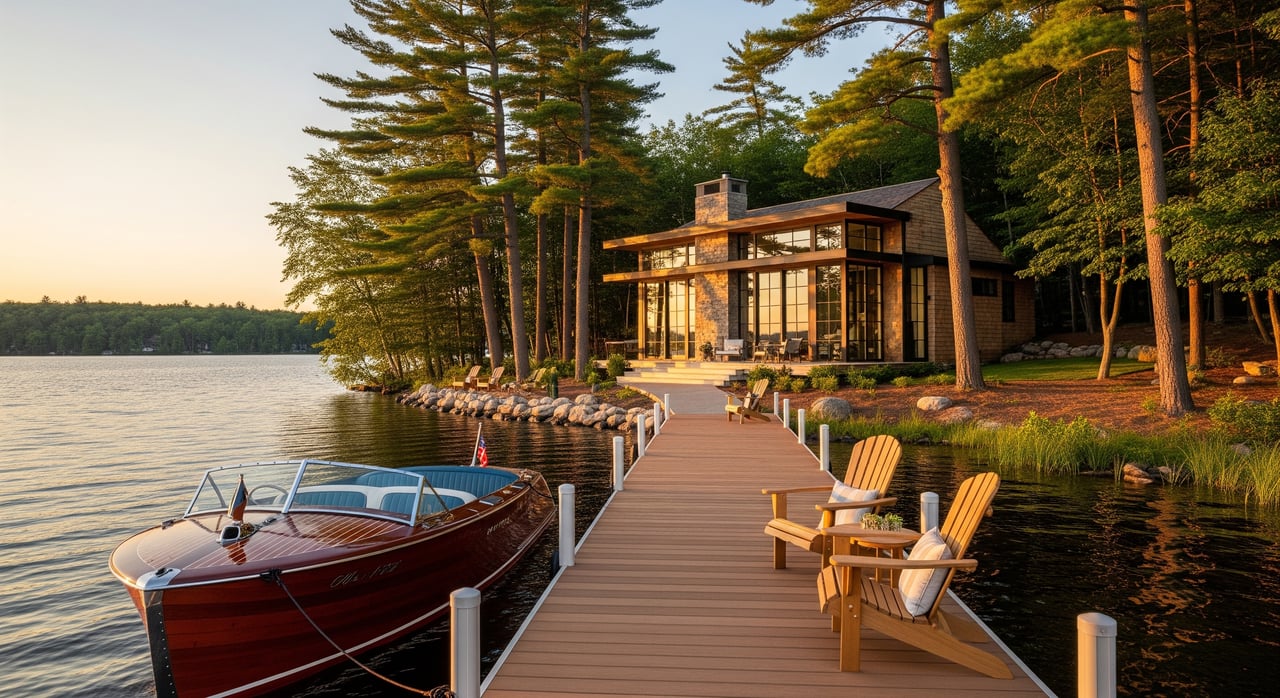
What does a perfect summer day look like on Burt Lake? Maybe it starts with glass-calm water, a quiet paddle, and the sound of loons, then shifts to swimming, tubing, and a sunset cruise. If that picture feels close to your ideal, you’re in the right place. In this guide, you’ll discover the daily rhythms, best ways to enjoy the water, practical boating tips, and what to consider if you’re thinking about owning along the shore. Let’s dive in.
Burt Lake at a glance
Burt Lake sits in Cheboygan County and anchors the heart of Northern Michigan’s Inland Waterway. This connected route links lakes and rivers for easy day trips or multi-day cruising between Crooked, Burt, and Mullett. It is a major reason many boaters pick Burt Lake as their summer base.
Nearby towns support the lake lifestyle. Indian River and Alanson are close by for marinas, fuel, and food. For larger services and travel needs, you can head to Cheboygan or Petoskey. Burt Lake State Park offers a public beach, a launch, and day-use facilities, which makes it a simple starting point for first-time visitors.
Out on the water, you’ll find a mix of open stretches, small islands, protected bays, and vegetated shoreline. That mix creates different experiences depending on the wind and time of day. You can pick wide-open water for cruising and watersports or slip into a quiet cove for a lazy swim and wildlife viewing.
Summer rhythms on the water
Burt Lake’s daily flow has a clear pattern in peak season.
- Morning: calm water is ideal for fishing, a slow coffee cruise, kayaking, or stand-up paddling. Weekdays are quieter than weekends.
- Midday: beaches and sandbars fill with families and friends. You’ll see anchored lunch rafts and plenty of swimmers.
- Afternoon: traffic picks up along the Inland Waterway. Watersports activity usually peaks later in the day when winds can rise and wakes are more common.
- Evening: the pace slows again. Expect grills on the deck, dockside cocktails, and sunset cruises. Plan for mosquitoes or blackflies near dusk in some years.
Peak season runs from late June through August. Holiday weekends like Memorial Day, the Fourth of July, and Labor Day are the busiest times. Local events in Indian River, Alanson, and Cheboygan add fun stops to the social calendar, so it helps to check event schedules before you plan a big cruise.
On-water hubs and services
Marinas and rentals
Indian River and Alanson serve as primary hubs for slips, fuel, repairs, and parts. Many marinas offer transient slips, seasonal moorings, pump-outs, and winter storage. Rentals are common in the area, including pontoons, fishing boats, and personal watercraft for day use.
If you need specialized repairs or larger retail options, Cheboygan and Petoskey are practical choices. In peak season, it is smart to reserve transient slips and rentals well in advance, especially for weekends.
Launches and parks
Burt Lake State Park provides a public launch, a sandy beach, and day-use amenities. County and township launches are scattered around the Inland Waterway corridor. If you plan to trailer in, arrive early on busy days and be ready for inspection stations that support aquatic invasive species prevention.
Planning tips for boaters
- Map fuel stops. Not every small marina has fuel, and hours vary. Plan ahead and carry what you need for longer runs.
- Book slips early. Summer weekends often sell out, and weekday arrivals are usually easier.
- Confirm pump-out options. Availability and hours differ by marina, so plan your sanitation schedule for multi-day trips.
- Expect AIS checks. Clean, drain, and dry your boat and gear. Many launches post guidance and run seasonal inspection stations.
Shoreline styles and lifestyle fit
Different stretches of shoreline shape day-to-day living and how you use your boat. Knowing the character you prefer will help you focus your home search.
Open-lake shore
These areas face wider water and more wind. They are great for watersports and cruising, and many homes have private docks suited to active boating. You will see more wakes and waves, and depth can be favorable for larger boats.
Protected coves and bays
Calmer water and shelter define these pockets. They are ideal for anchoring, relaxed family swimming, and paddling. If you value peaceful mornings and quieter evenings, these areas often deliver the right feel.
Near the Inland Waterway channel
Channel-facing properties offer quick access for multi-day cruising and easy connections to other lakes and towns. You may notice more transient traffic, along with wakes and some noise near busier stretches.
Shallow sandy stretches
Shallow, sandy bottoms are popular for beach time and sandbar meetups. These zones are highly desirable for many owners but are not uniform around the lake. If regular swim days are a must, you will want to prioritize these pockets.
Natural, vegetated shoreline
Wooded lots with natural vegetation attract owners who value privacy, wildlife viewing, and a Northwoods feel. These shorelines support habitat and can reduce erosion when maintained with native buffers.
Real-estate factors to weigh
- Shoreline access vs private beach: true sandy beaches are limited and often command a premium. Other stretches may be wooded or rocky and still offer great boating.
- Utilities and septic: many lake homes use septic systems. Verify age, condition, and compliance as part of due diligence.
- Seasonal vs year-round: some cottages were built for summer only and may lack insulation, HVAC, or winterized plumbing. Others are ready for four-season living.
- Docks and permits: local setbacks and riparian-use rules affect what you can build. Expect municipal and state guidance on docks and shoreline structures.
- Insurance and upkeep: plan for dock maintenance and potential erosion control. Work with insurers familiar with waterfront needs.
Safety and stewardship basics
Boating rules to know
Carry required U.S. Coast Guard safety gear, including life jackets for every person on board, fire extinguishers, and proper navigation lights after dark. Michigan sets operator age and safety course rules for certain personal watercraft. Always follow posted no-wake zones near shorelines, marinas, dams, and marked channels.
Weather and water quality
Cell coverage can vary across northern Lower Michigan. Check the forecast before heading out and watch for fast-moving summer thunderstorms. Water clarity and conditions change from year to year. Local health departments post beach advisories if issues arise, so check before swimming with small children or guests.
Environmental care
Help prevent aquatic invasive species by following clean, drain, and dry practices. Inspect anchors, livewells, and bilges before and after launching. Natural shoreline buffers protect habitat and reduce erosion, and many lake communities encourage native plantings rather than hard armoring.
What to pack for Burt Lake days
A little planning keeps your day safe and fun.
- Dayboat checklist: properly sized life jackets, throwable device, first-aid kit, spare lines, anchor with adequate scope, tools, charged phones and power bank, sunscreen, hats, polarized sunglasses, towels, plenty of water, and snacks or lunch.
- Longer cruises: paper charts or downloaded maps, spare fuel if needed, pump-out plan, weather radio, and a basic repair kit.
- Shore and beach gear: water shoes, lightweight layers for cool mornings and evenings, bug repellent, dry bag, and trash bags to pack out what you bring in.
Thinking about buying on Burt Lake?
If you are drawn to Burt Lake’s mix of open water, quiet coves, and quick access to the Inland Waterway, it pays to work with a local team that knows the shoreline, the marinas, and the practical details that shape daily life. From septic and dock considerations to the difference between a windy point and a protected bay, the right guidance helps you match the property to your lifestyle.
Based in Alanson with roots dating to 1895, our boutique Coldwell Banker affiliate focuses on waterfront and resort communities across the Inland Waterway. If you are exploring Burt Lake homes, cottages, or land, we can help you weigh shoreline types, seasonal versus year-round use, and market dynamics with clarity and care. Start a conversation with the team at Coldwell Banker Fairbairn Realty and get local insight that makes your next step easier.
FAQs
How busy is Burt Lake in peak summer?
- Late June through August is busiest, with holiday weekends seeing the most traffic. Weekdays are noticeably quieter, and slips often require reservations on weekends.
Where can you anchor and socialize on Burt Lake?
- Sheltered bays, shallow sandy stretches, and nearshore areas are popular for casual raft-ups. Marina waterfront spots and park beaches also draw social gatherings.
Where do boaters fuel and get repairs near Burt Lake?
- Indian River and Alanson are primary hubs for fuel, slips, and service. For specialized repairs or larger retail needs, Cheboygan and Petoskey are common choices.
What environmental rules should boaters follow on Burt Lake?
- Use clean, drain, and dry practices, obey posted no-wake zones, and use designated pump-out facilities. Expect seasonal inspection stations at public launches.
What shoreline suits frequent boat gatherings?
- Look for properties with easy dock access, nearby protected anchoring, and quick approaches to deeper water. Proximity to marinas and channel access helps guests arrive and tie up efficiently.