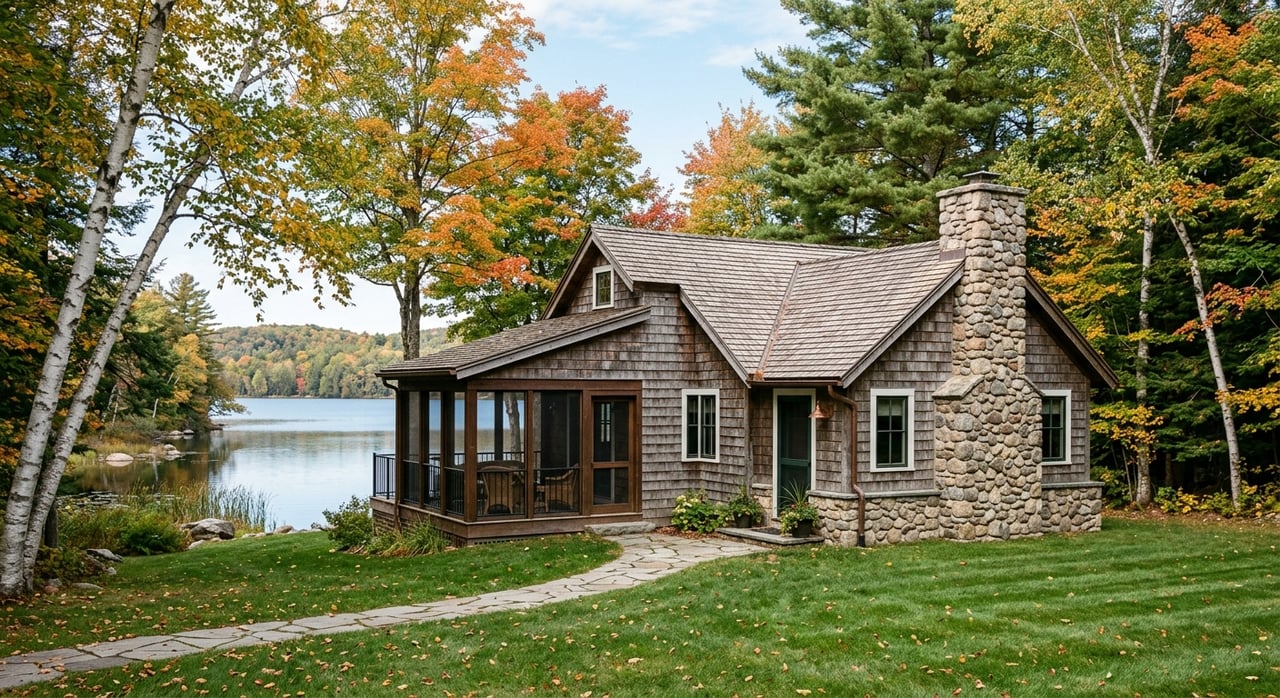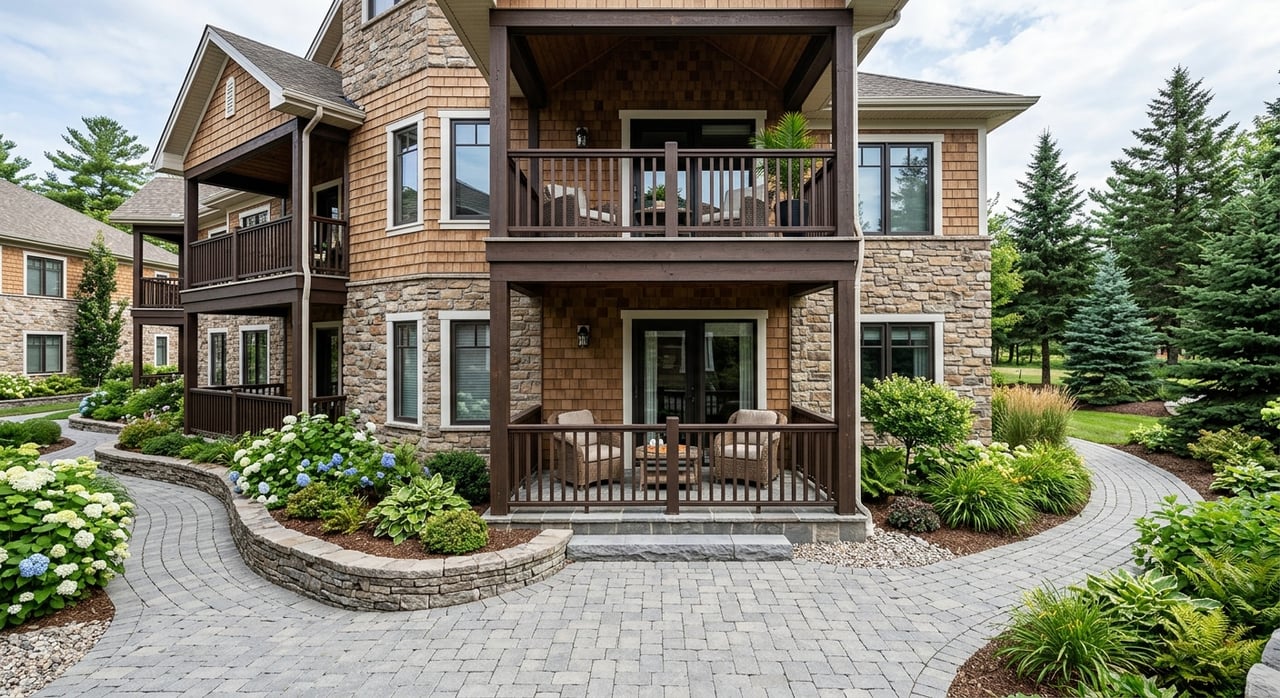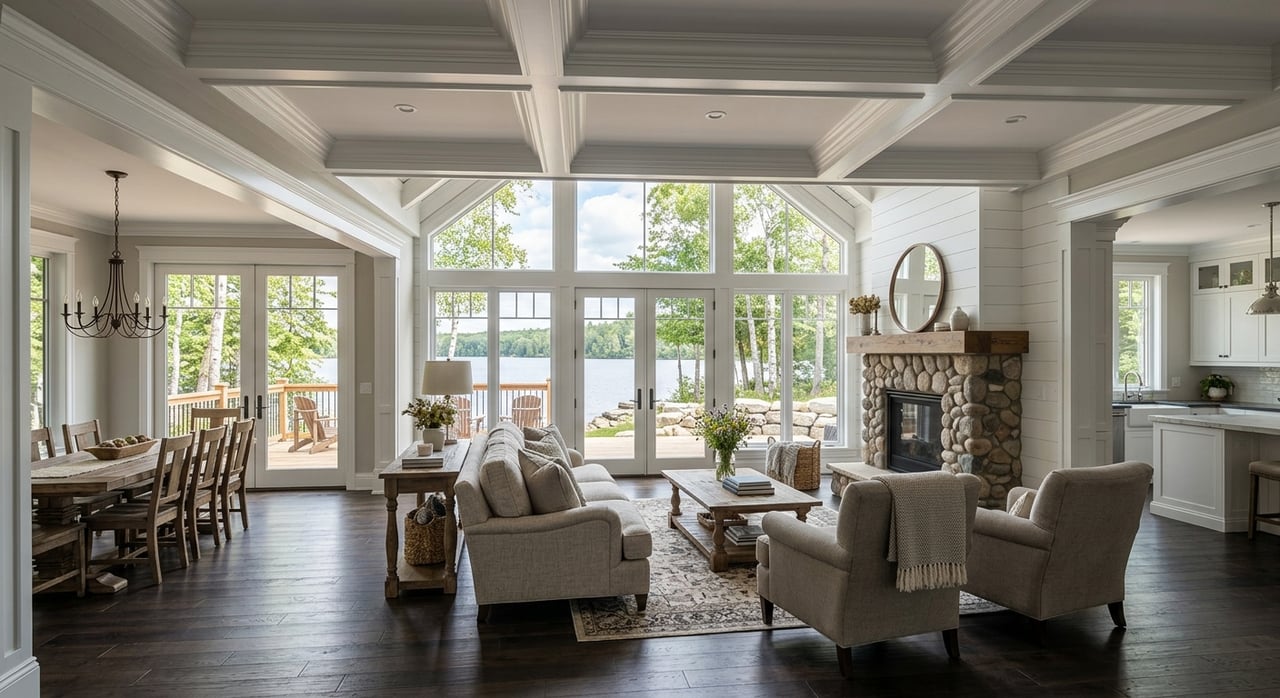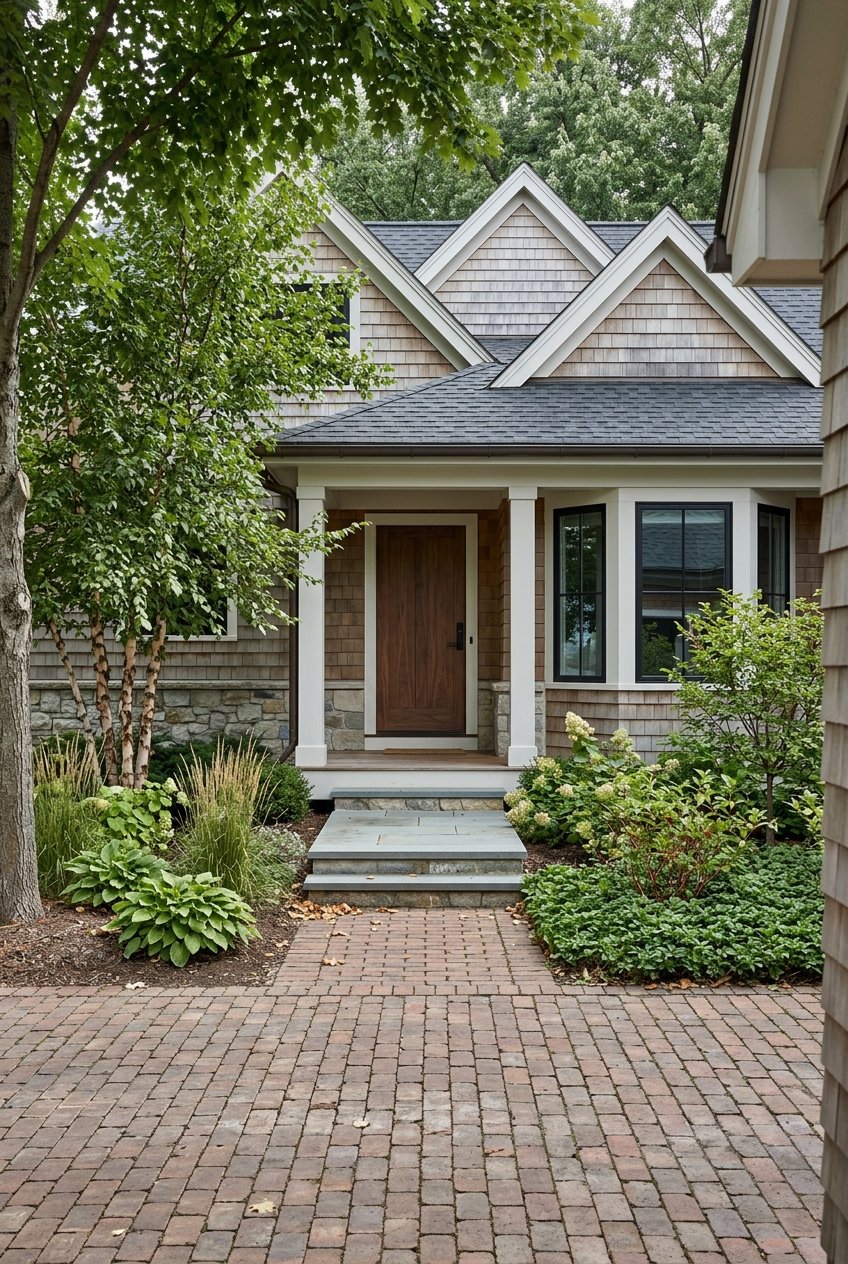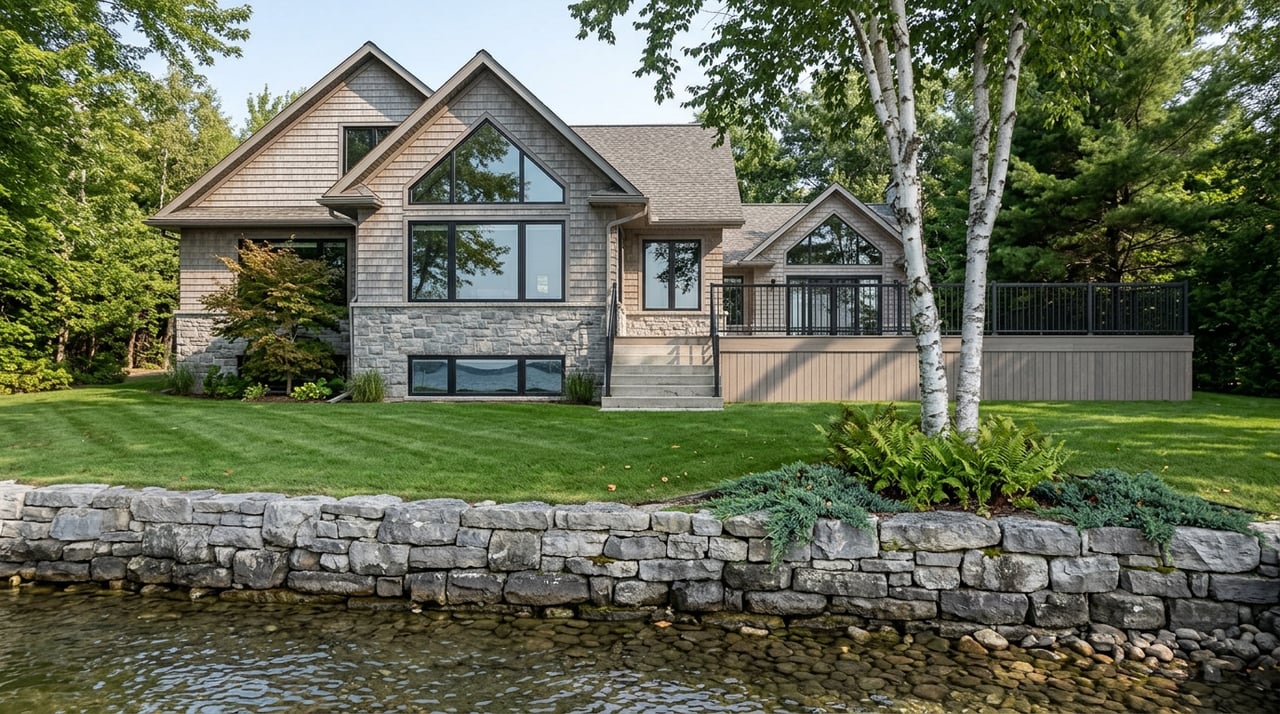
Thinking about a second home on Walloon Lake? Prices climbed quickly last year, and the most desirable waterfront listings can draw attention fast. You want the right blend of lake access, privacy, and long-term value without surprises after closing. In this guide, you will learn how the market in ZIP 49796 is behaving, what price tiers to expect, how inventory actually looks, and the key permits and inspections to budget for. Let’s dive in.
Today’s market at a glance
Walloon Lake has shifted into a high-demand luxury and vacation market since 2020. Industry estimates show the typical home value in 49796 near the high $800,000s, with values up about 14.1% year over year through late 2025. At the same time, the lakefront segment tells a different story than the overall ZIP.
Press coverage highlighted that a small set of trophy listings pushed average lakefront list prices much higher in mid-2025, including reported averages above $6 million for a short period. As reported, this reflects a handful of ultra-premium estates rather than the norm for every buyer. You should treat such averages as a signal that ultra-luxury inventory is present, not as the going price for all lake homes. For context on that spike, see the local business coverage of lakefront pricing in northern Michigan’s “golden triangle” region reported by Crain’s Grand Rapids Business.
Waterfront inventory is tight. At many points this year, mainstream portals showed very few active Walloon Lake waterfront listings. That scarcity can cause fast-moving situations for well-priced cottages while very high-end estates may take longer to find the right match.
What second-home buyers should expect
Two parallel markets
- Waterfront and luxury: Thin, competitive, and highly sensitive to frontage, privacy, views, and updates. Prices can start in the mid six figures for smaller or older cottages and run into many millions for estate parcels.
- Near-water and inland: More options at lower price points with easier entry, especially if you value walkability to the village or low-maintenance living.
Typical price tiers
- Entry or near-water cottages: Often mid $800,000s to about $2 million, depending on frontage, proximity to the village, and condition.
- Mid-tier lakefront: Commonly $2 million to $5 million for updated cottages or modest estates with quality frontage.
- Ultra-luxury estates: Several properties trade in the multi-million to eight-figure range. These select listings pull averages up but are not representative of the entire market.
Days on market and negotiation
Speed varies by tier. Move-in ready cottages and well-priced mid-tier homes can go under contract quickly. Large estates tend to have longer marketing periods. Your negotiation leverage will depend on condition, rarity, and whether there is meaningful competition at that price point. Expect stronger terms and proof of funds to matter more as you move up-market.
Cash and competition
All-cash or large down payments are common at the top end. High-net-worth buyers are often less rate sensitive, so rate shifts do not slow the luxury tier as much as broader markets. Be ready with updated proof of funds or a pre-approval letter before you tour serious contenders.
Seasonality and touring
Activity typically peaks in spring and early summer when you can see boat traffic, water levels, and sun angles. Off-season showings are possible, but inspections and contractor visits may take longer. If you want to capture peak-season listings, line up financing, due diligence contacts, and travel dates well in advance.
Where to look around the lake
Walloon Lake has distinct “arms” and a village area known as the “foot.” Understanding this geography will help you budget and prioritize. For an overview of the lake’s layout, see the Walloon Lake entry on Wikipedia.
West Arm
Buyers often seek the West Arm for privacy, depth, and long frontage. Large parcels and estate-scale homes appear here. Expect strong pricing where parcels combine deep water, seclusion, and high-quality improvements.
Far East Arm
The Far East Arm has produced some of the lake’s highest asking prices in recent years, including press-covered eight-figure listings. Inventory is sparse and selective, so expect a slower search and premium pricing if this is your target.
North shore and village “foot”
Closer to the village, you will find a wider mix of legacy cottages, rebuilds, and some newer low-maintenance options. If you value walkability to shops and dining more than private multi-hundred-foot frontage, this area can be a smart fit.
Budget for permits and stewardship
Owning on a high-value inland lake means planning for shoreline rules, health inspections, and coordination across agencies. Build these line items into your timeline and budget.
Docks and shoreline work
Permanent docks, hoists left in year-round, dredging, and any work below the ordinary high-water mark are regulated by Michigan’s Department of Environment, Great Lakes, and Energy (EGLE). You will use the Joint Permit Application for most projects and should plan a 30 to 90 day review window from a complete application. Start with EGLE’s inland lakes and streams overview and review the permit categories and JPA guidance before you budget improvements.
Septic and well checks
Expect a Time-of-Transfer septic evaluation and water testing on lake parcels. The Northwest Michigan Community Health Agency handles on-site sewage permitting and inspections for the Charlevoix and Emmet region. Engineered systems are common on tight lake lots. Review the agency’s guidance on sewage systems and evaluations and book early to avoid delays during peak season.
Local setbacks and soil erosion controls
Townships and the county enforce setbacks, bluff protections, and soil erosion and sedimentation control. Steeper lots or shoreline work may trigger extra steps. A local contractor’s guide summarizes typical timelines and coordination among township planning, county health, and EGLE for Walloon and nearby lakes. For a practical overview, see this homeowner roadmap on lakefront permits and setbacks.
Short-term rental rules
Short-term rental rules vary by township and village. Do not assume you can rent without a license. Nearby municipalities have tightened and enforced STR rules in recent years, including registration and occupancy limits. Local reporting shows active enforcement in the area, such as a Petoskey case where a first-floor STR was not approved. Read about that enforcement context in this Petoskey STR decision summary, then check the exact township or village rules for the parcel you are considering.
Flood maps and insurance
Inland lakes can still have low-lying or flood-prone spots. Check your parcel on FEMA’s Map Service Center and ask your insurer about coverage and any waterfront endorsements. A useful starting point with links to the FEMA MSC is available through this FEMA map resource page.
Conservancy and watershed coordination
The Walloon Lake Association & Conservancy is active on water quality, invasive species, and watershed coordination across townships. Staying connected can alert you to policy updates that affect shoreline projects and stewardship expectations. Learn more about the organization’s mission and programs on the WLAC site.
A smart buying game plan
Use this checklist to get ahead of a tight market and avoid avoidable delays.
- Hire a lake-experienced local advisor. You want arm-level pricing insight, off-market intel, and practical guidance on shoreline improvements.
- Line up funds early. Cash or strong pre-approval sets you up to compete at the lakefront tier.
- Build a due diligence file. Ask for recent surveys, shoreline descriptions, well and septic records, any prior permits, and HOA or shared-dock documents.
- Schedule septic and water tests promptly. Time-of-Transfer programs can add lead time, especially in peak months.
- Pre-plan shoreline projects. If you intend to add or modify docks, hoists, or shoreline structures, connect with EGLE for pre-application guidance and budget for the JPA process.
- Verify zoning and rental rules. Call the township or village for the parcel’s specific STR and zoning regulations if rental income is part of your plan.
- Confirm flood and insurance details. Review FEMA maps, then talk to your insurer about coverage, liability for docks, and any required endorsements.
- Engage with WLAC. Their updates can help you anticipate stewardship needs and collaborate with neighbors.
When you pair good prep with local expertise, you improve your odds of finding the right property at the right pace. If you are ready to explore Walloon Lake with a trusted, local team backed by national marketing reach, connect with Coldwell Banker Fairbairn Realty.
FAQs
What is driving Walloon Lake price growth for second homes?
- Limited waterfront supply, strong lifestyle demand since 2020, and the presence of ultra-luxury estates have supported higher prices, with typical values in 49796 up about 14% year over year through late 2025.
How competitive are Walloon Lake waterfront listings?
- Inventory is thin, and well-priced cottages can move quickly, while very high-end estates can take longer; cash and proof of funds help you compete.
Which parts of Walloon Lake tend to command premiums?
- The West Arm and Far East Arm often draw premium pricing for privacy, depth, and estate-scale parcels, while the village “foot” offers more variety and walkability.
Can I rent my Walloon Lake second home short term?
- It depends on township or village rules; verify licensing, occupancy, parking, and local taxes before assuming any rental income.
What inspections are unique to lake parcels in 49796?
- Time-of-Transfer septic evaluations, water tests, shoreline permit history, and sometimes engineered septic checks are common for waterfront lots.
How long do Michigan dock or shoreline permits take?
- Many projects require EGLE review via the Joint Permit Application, which often runs 30 to 90 days from a complete submission; start early if you plan upgrades.