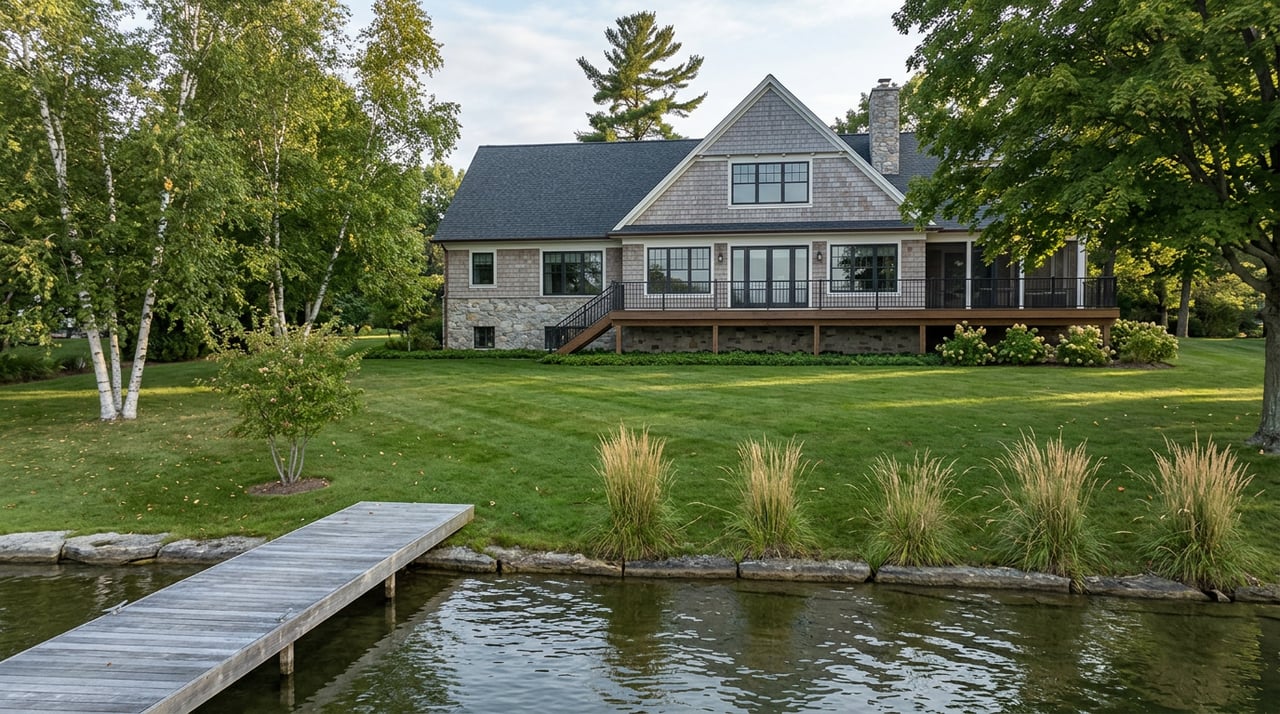
Buying or selling on Burt Lake is not like a typical home search across town. On the Inland Waterway, details like shoreline rules, dock timing, water levels, and permit paths can shape everything from pricing to inspections to closing plans. If you are choosing an agent for a waterfront property here, you need more than someone who can unlock doors and pull comps. You need someone who understands how this market works in real life. Let’s dive in.
Why Burt Lake Requires Specialty Knowledge
Burt Lake is part of Michigan’s Inland Waterway, a connected system that stretches nearly 40 miles and covers about 50,000 acres, linking Crooked Lake, Burt Lake, Mullett Lake, and the Cheboygan River. According to the Michigan DNR’s Inland Waterway overview, water levels can shift with wind, rain, snow, ice jams, spring thaw, shoaling, and evaporation. The system also goes through a seasonal drawdown from October 15 through March 31, lowering levels by about 12 inches.
That matters when you are evaluating a waterfront home or lot. Boat access, dock use, showing conditions, inspection timing, and even possession dates can be affected by seasonal water conditions. A strong Burt Lake agent should be able to explain those moving parts clearly so you can make informed decisions.
Know the Parcel’s Jurisdiction
One of the first questions your agent should answer is simple: Which rules apply to this exact property? In Cheboygan County, zoning authority depends on where the parcel sits. The Cheboygan County Planning Commission notes that county planning covers all townships except Burt Township and the incorporated villages of Mackinaw City and Wolverine and the city of Cheboygan.
That means two waterfront properties on the same lake may follow different rules if they fall under different local jurisdictions. An agent who works regularly with Inland Waterway properties should know how to identify the right township or municipality early, not after an offer is written.
Burt Township rules can be very specific
For Burt Lake frontage in Burt Township, the zoning ordinance sets a 75-foot waterfront setback from the ordinary high-water mark. It also requires a natural vegetation strip along at least 70% of the frontage within 25 feet of the ordinary high-water mark for qualifying work, and it prohibits septic tanks and filtration fields within the waterfront setback. These details come from the Burt Township zoning ordinance.
If a buyer is dreaming about expanding a home, changing the shoreline area, or planning future improvements, those rules matter right away. The right agent helps you understand what may be possible before you get too far into the process.
County rules may differ from township rules
In other parts of the area, the county ordinance may apply instead. The Cheboygan County zoning ordinance uses a separate 40-foot shoreline setback in its Lake and Stream Protection District and includes rules tied to shared waterfront access, docks, and riparian boundaries.
This is one reason waterfront real estate is so parcel-specific. A good agent should never assume the same lake means the same rules. They should verify the jurisdiction and explain what it means for your use of the property.
Waterfront Access Is Not All the Same
Not every water-oriented property offers the same ownership or use rights. Some properties have direct frontage, while others may involve shared access. That distinction can affect frontage rights, dock placement, parking, and how you actually use the property day to day.
When you interview an agent, ask how they determine whether a property is direct frontage or shared access, and how they review the rules that go with it. On Burt Lake, that is not a minor detail. It is central to the value and utility of the property.
Permits Matter More Than Many Buyers Expect
Waterfront improvements often require more coordination than buyers and sellers realize. The Michigan EGLE guidance on docks, boat hoists, and swim rafts explains that permits are required for many inland lake projects, including dredging, filling, placing structures on bottomlands, and many dock or boat-hoist projects. Seasonal private docks or hoists that are removed at the end of boating season may be exempt in some cases, while permanent structures generally require permits.
An experienced waterfront agent should be able to flag these issues early. If a seller added a structure, or if a buyer wants to make changes after closing, permit history and approval paths can become important very quickly.
The approval path can involve multiple steps
For properties in Cheboygan County, the process can involve more than one office. The county’s permit process flow chart shows that a project may require zoning, septic, driveway or culvert, soil and sedimentation, well, special use, site plan review, variance, and then building, electrical, plumbing, and mechanical approvals.
That does not mean every property needs every approval. It does mean your agent should know how to help you identify the right sequence and coordinate with the proper departments when questions come up.
Wells, Septic, and Vacant Land Need Close Review
Many Burt Lake transactions involve seasonal use, older systems, or vacant land. That makes well and septic due diligence especially important. District Health Department No. 4 handles permits for private wells and septic systems, reviews vacant land for sewage suitability, and notes that seasonal wells should be disinfected and sampled before use at the start of the season.
If you are buying a vacant lot, your agent should encourage early review of buildability and sewage suitability. If you are buying or selling a seasonal home, they should understand how well and septic questions may affect inspection planning and buyer confidence.
Seller Disclosures Still Matter on Waterfront Homes
Waterfront homes can have unique features, but the basics still apply. Michigan’s Seller Disclosure Act covers transfers of one to four residential dwelling units, states that the disclosure is not a warranty, and directs buyers toward inspections that consider indoor air and water quality. It also warns that property tax obligations can change significantly after transfer.
A strong agent should know how to walk through disclosures carefully and encourage buyers to complete the right inspections within their timelines. On waterfront property, that careful review can be even more important because shoreline features, water systems, and access rights often carry extra questions.
Marketing Reach Matters for Sellers
If you are selling a Burt Lake property, the right agent should also have a clear strategy for exposure. Buyers in this market may be local, from elsewhere in Michigan, or from out of state. Many search by lake name or waterfront type, not just by municipality.
The Northern Great Lakes REALTORS MLS search platform includes filters for address, city, township, county, and body of water, along with categories such as residential, vacant land, private waterfront, and shared waterfront. The research also notes that MiRealSource is a separate Michigan broker-owned MLS. For Burt Lake sellers, that makes dual-MLS participation an important question when you are comparing agents.
Ask how your property will be positioned
A waterfront lot, a year-round residence, and a multi-million-dollar estate do not attract buyers in the same way. The best agent for your situation should be able to explain where your listing will appear, how it will be categorized, and how they plan to reach both local and out-of-area buyers.
For a market like Burt Lake, broad regional exposure and accurate waterfront classification are not extras. They are part of effective representation.
Questions to Ask Before You Hire an Agent
When you meet with a prospective agent, keep your questions practical. Here are a few that matter in Burt Lake and the Inland Waterway market:
- Which township or municipality is this parcel in, and which shoreline rules apply?
- Is this direct frontage or shared-access property?
- Have you handled waterfront deals involving docks, hoists, wells, septic systems, or vacant land?
- How do you coordinate with EGLE, Cheboygan County, and District Health Department No. 4 when approvals are needed?
- How do you review disclosures, surveys, riparian rights, and waterfront access questions before offer or inspection deadlines?
- How will you market a Burt Lake property to both local and out-of-area buyers?
The right agent should welcome these questions. In fact, a strong waterfront professional will usually answer several of them before you even ask.
What the Right Agent Really Does
In Burt Lake, a great waterfront agent is not just a salesperson. They act more like a local coordinator who helps keep zoning, access, inspections, health-department steps, permit questions, and marketing exposure moving in the right order.
That kind of guidance can make the process smoother whether you are buying a seasonal retreat, selling a legacy property, or evaluating a vacant waterfront parcel. With a market this specific, local knowledge and technical follow-through matter.
If you want help navigating Burt Lake and the Inland Waterway with practical local guidance and broad marketing reach, connect with Coldwell Banker Fairbairn Realty. Their team brings deep Inland Waterway experience, high-touch service, and the kind of local stewardship that helps waterfront clients move forward with confidence.
FAQs
What should I look for in a Burt Lake waterfront real estate agent?
- Look for an agent who understands parcel-specific zoning, shoreline setbacks, waterfront access types, permit requirements, well and septic considerations, and regional MLS exposure.
Why does jurisdiction matter for Burt Lake waterfront homes?
- Jurisdiction matters because zoning authority can differ by parcel, and the applicable setback, shoreline, dock, and access rules may change depending on whether the property falls under Burt Township or another local authority.
Do docks and boat hoists on Burt Lake need permits?
- Some projects do. EGLE states that many inland lake projects require permits, while certain seasonal private docks or hoists that are removed at the end of the boating season may be exempt if they meet specific conditions.
How do well and septic issues affect Burt Lake property purchases?
- Well and septic systems can affect inspections, buildability, and long-term use. District Health Department No. 4 handles permits for private wells and septic systems and reviews vacant land for sewage suitability.
Why is dual-MLS exposure important when selling a Burt Lake home?
- Dual-MLS exposure can help your property reach more relevant buyers, especially in a market where people often search by lake name, waterfront type, or property category rather than by town alone.