On Burt Lake, the calendar often matters more than the clock. If you are thinking about buying or selling in Cheboygan’s 49706 zip code, you already know the seasons shape everything from access to the dock to who is in town to tour. The good news is you can use this rhythm to your advantage. In this guide, you will learn what typically changes by season, how it affects showings and offers, and the best timelines for buyers and sellers to act. Let’s dive in.
Why Burt Lake is highly seasonal
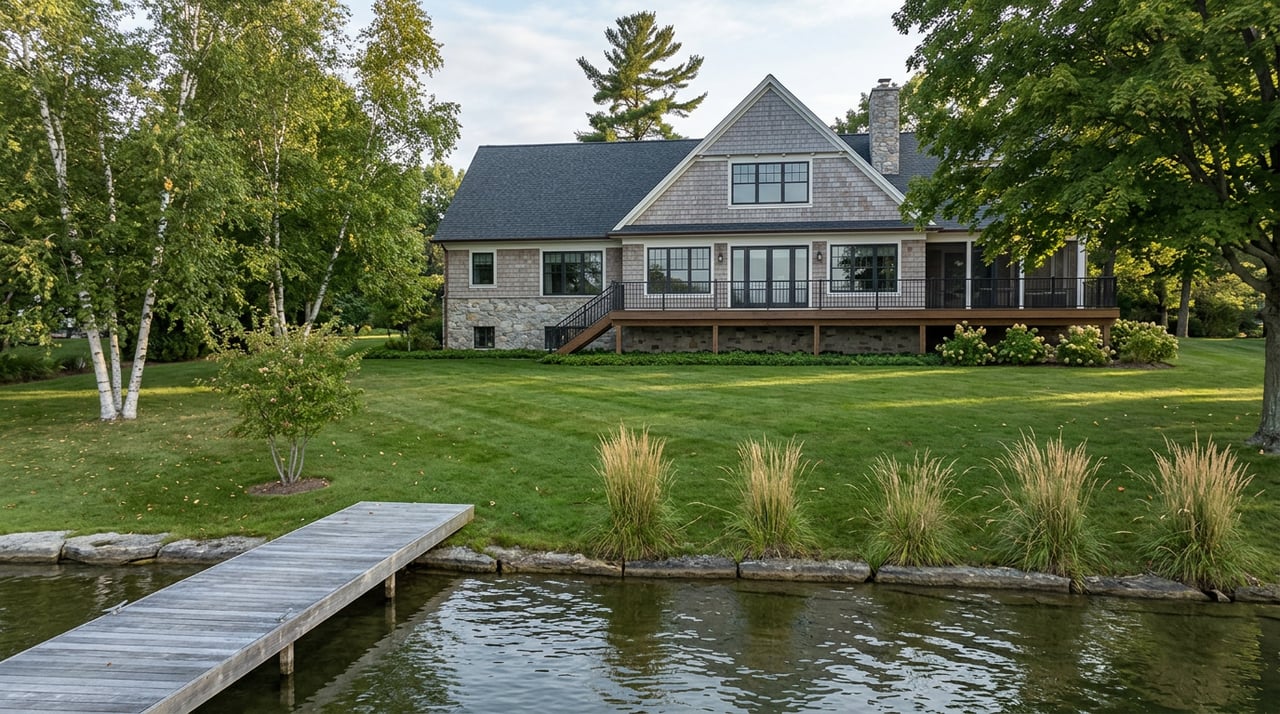
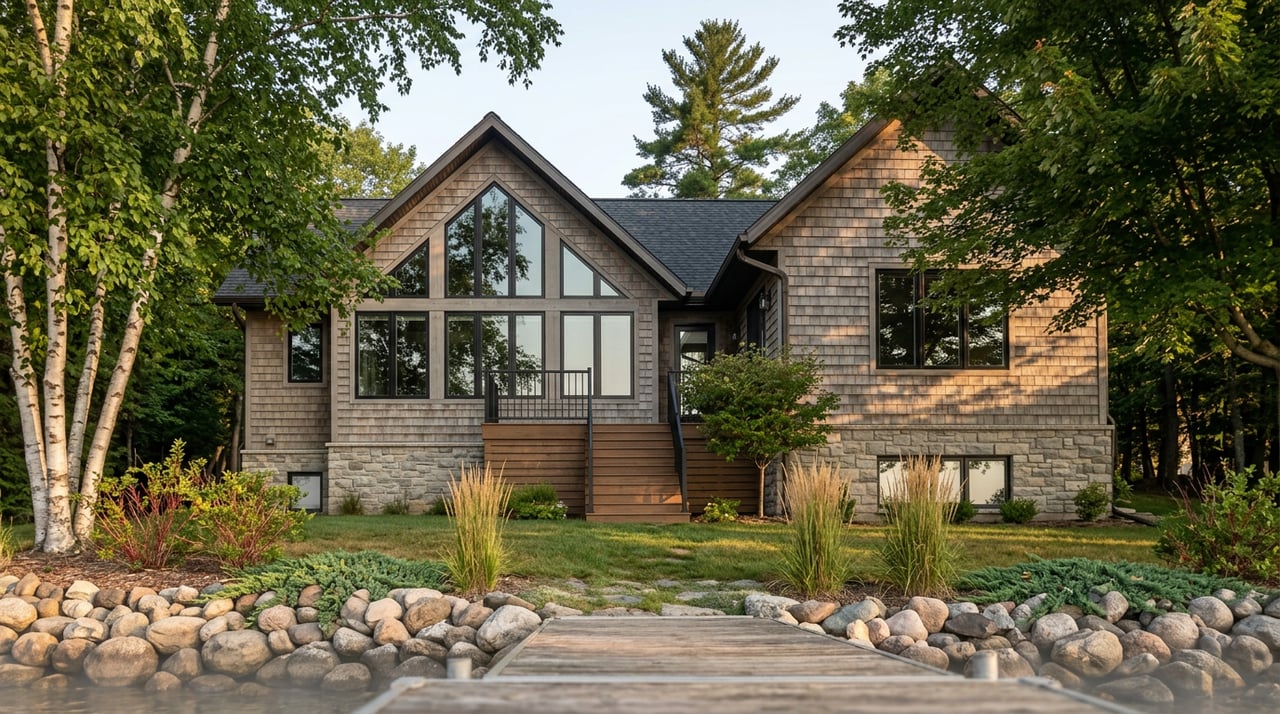
Burt Lake is a true waterfront market with many lakefront and lake‑view homes, cottages, and second homes. Recreation drives demand here. Boating and fishing rule spring through fall, while snowmobiling and ice fishing draw winter visitors. That cycle affects when owners list, when buyers tour, and which homes see competition.
You also see a mix of local year‑round residents, seasonal owners, and out‑of‑state buyers. The second‑home segment adds more volatility through the year, especially when travel and tourism pick up. Weather and access matter too. Northern Michigan winters bring heavy snow and frozen shorelines, which can limit showings and make it harder to evaluate docks, boathouses, and shoreline features.
Waterfront specifics add another layer. Riparian rights, dock or boathouse permitting, shoreline protections, and septic performance during freeze and thaw can all influence when you list, how you schedule inspections, and which repairs are practical in each season.
What to expect by season
Use these patterns as a planning framework. Exact timing can shift year to year, especially with early or late ice‑out.
Winter: December to February
Inventory often dips because many sellers wait for spring. The buyers who do tour are usually serious and focused. Showings are more appointment‑driven, and exterior features can be hard to evaluate. You may see fewer competing offers and more room to negotiate price and contingencies. Winter can be a smart window for buyers who want less competition. Sellers can use this time to prep, stage, and line up spring photography.
Early spring: March to April
New listings ramp up, especially as ice‑out approaches. Showing activity rises quickly, and some buyers target summer use or summer rental income. Multiple offers are more likely on desirable waterfront properties. Sellers gain leverage. Buyers need financing in place and a plan to move fast.
Late spring to early summer: May to July
This period often features peak inventory and peak showing activity. It is the best time to fully showcase docks, beaches, and boating access. Turn‑key lakefront homes can draw strong competition, and many buyers aim to close for immediate summer use. Sellers usually see the strongest prices and the shortest days on market. Buyers should be prepared for premium pricing and faster timelines.
Late summer to fall: August to October
Activity tapers after Labor Day as many seasonal visitors head home. Inventory can stay elevated early in fall, then tighten as unsold listings withdraw or adjust pricing. Buyers may find more negotiating room. Sellers should be ready for longer market times and potential price changes.
Late fall: November
Many waterfront owners pull listings for winter, so inventory shrinks. Showings are weather dependent. Buyers who make offers are typically motivated. November can be an advantage for buyers seeking less competition. Sellers who list now should price with the season in mind.
Buyer playbook by season
Your best strategy depends on when you plan to use the home and what features matter most.
Winter: scout and negotiate
- Get mortgage pre‑approval and define shoreline and dock needs.
- Tour homes that are accessible and safe to view.
- Use the lighter competition to negotiate price or terms.
- Understand limitations. You may need to verify shoreline and dock conditions after thaw.
Early spring: be offer‑ready
- Attend open houses and set alerts for new listings.
- Have proof of funds or loan approval on hand.
- Work with your agent on escalation language and quick decision workflows.
- If ice remains, plan for follow‑up inspections once the shoreline is accessible.
Late spring to summer: plan for speed
- Expect multiple offers on turn‑key waterfront homes.
- Budget for stronger pricing and shorter timelines.
- Verify septic, shoreline, and dock conditions when fully accessible.
- If you want summer occupancy, target a closing before early June.
Fall: look for motivation
- Revisit homes that did not sell in summer.
- Watch for price reductions and seller concessions.
- Inspect for seasonal wear and storm impacts.
- Negotiate closing terms that suit off‑season occupancy.
Seller playbook by season
The right launch plan can lift your price and lower your days on market.
Summer: capture visuals, prep for spring
- Secure premium summer photography and video while docks and beaches shine.
- Complete repairs and staging while the weather is favorable.
- Listing mid‑summer can work, but you will compete with more sellers. Prep now to launch into spring demand.
Fall: list early for best visibility
- If you want to close before winter, list in early fall.
- Expect longer days on market. Review pricing by mid‑October if traffic slows.
- Keep shoreline and access in show‑ready condition as weather shifts.
Winter: prepare for a strong debut
- Focus on repairs, professional photography, and virtual tours.
- If listing now, keep driveways plowed and walkways safe.
- Highlight year‑round comfort and interior lifestyle features.
Early spring: the prime window
- Launch as showings ramp after ice‑out expectations.
- Have dock and shoreline ready for viewing.
- Coordinate with your agent on clustered showing times for out‑of‑town buyers.
Inspections, access, and shoreline logistics
Waterfront transactions come with timing nuances that follow the seasons.
- Shoreline and dock checks. Full evaluation is easier after thaw. If you agree to winter terms, allow for post‑ice‑out verification in the contract.
- Septic systems. Freeze and thaw can affect testing windows. Plan the inspection timing with your agent and contractor.
- Permits and rights. Riparian rights, dock or boathouse permitting, and shoreline protections may affect your plans and timeline. Start research early so you can answer buyer questions with confidence.
- Safe access. In winter, keep driveways plowed and walkways clear. Buyers form quick impressions as they arrive.
Investors and short‑term rental timing
If rental income is part of your plan, seasonality matters.
- Peak booking season is summer. Buyers often try to close before Memorial Day or Father’s Day to capture prime weeks.
- Early spring is a key search period for rental‑minded buyers who want to be live for summer.
- In fall, you may be able to negotiate on properties that missed the summer window, then prepare for the next season.
Photos and marketing that fit the season
The best waterfront listings show both lifestyle and practicality.
- Use a mix of summer and winter photos when possible. Buyers appreciate seeing the shoreline in full use and the home’s winter comfort.
- Add virtual tours for remote and seasonal buyers who visit on limited schedules.
- Make the shoreline easy to understand. Mark dock locations, water depths where known, and nearby marina or launch options in the description.
How to use local data without overcomplicating it
Month‑by‑month metrics such as new listings, active inventory, days on market, sale‑to‑list ratio, and showings per listing can confirm the best timing. Comparing the Burt Lake micro‑market to the broader county helps you see lake‑specific patterns. Ask your agent for a simple seasonal index or 3 to 5‑year monthly view so you can plan with confidence.
Your next step
Seasonality on Burt Lake is not a hurdle. It is a tool. Whether you want summer move‑in, off‑season value, or maximum listing exposure, a well‑timed plan can get you there. If you want help building a month‑by‑month strategy, market prep checklist, and launch window tailored to your shoreline, reach out to the local team that lives this cycle every year. The advisors at Coldwell Banker Fairbairn Realty combine deep local roots with dual‑MLS marketing and hands‑on waterfront expertise. Get a free home valuation.
FAQs
What is the best month to list a Burt Lake waterfront home?
- Early spring, shortly after ice‑out, usually delivers the most buyer traffic and stronger pricing because waterfront features are show‑ready and demand ramps up.
Is winter a bad time to buy on Burt Lake?
- Not necessarily. Winter often brings fewer competing offers and more room to negotiate, though you may need follow‑up inspections after thaw for shoreline and dock details.
How does ice‑out affect showings and offers on Burt Lake?
- Ice‑out signals the start of peak showing season. Buyers can fully evaluate docks and beaches, and desirable properties are more likely to see multiple offers.
When should I close if I want summer rental income?
- Aim to close before Memorial Day or early June so you can capture peak summer bookings and have the property ready for guest turnover.
Which inspections are hardest to complete in winter?
- Shoreline, dock, and some septic evaluations are limited by snow and ice. Plan contract language that allows verification after thaw.
Do out‑of‑state buyers change the market cycle on Burt Lake?
- Yes. The second‑home segment increases seasonal swings. Expect stronger traffic in late spring and summer when travel and tourism peak, and steadier scouting during winter.