You see a Walloon Lake listing that promises “deeded lake access” and your heart jumps. It sounds close to owning waterfront, but the fine print can be tricky. If you want to boat, swim, or simply reach the water without surprises later, it pays to understand exactly what that phrase means and how it works in Northern Michigan.
In this guide, you’ll learn what deeded access typically includes in Michigan, what limitations to expect, and the due diligence steps that protect you before you write an offer. You’ll also find local context for Walloon Lake and Charlevoix County so you can plan with confidence. Let’s dive in.
What deeded access means
“Deeded lake access” is usually a recorded property right that lets you reach and use the lake from a defined area or path. In Michigan, this right often appears as an easement or within subdivision covenants. It is not the same as owning the shoreline.
Deeded access is private and limited to those named on the recorded instrument. It is different from public boat launches or parks, which are open to all users.
Common legal forms in Michigan
- Appurtenant easement. This right benefits a specific parcel and typically transfers with the land when you sell or buy. It is the most secure form for long-term use.
- Easement in gross. This is a personal right granted to a person or entity. It may or may not transfer to a new owner depending on how it is written.
- Ownership of a narrow strip. Less common, a lot may include fee-simple ownership of a shoreline strip. Associations sometimes own the shoreline and grant member access.
- Covenants and HOA rules. Access can flow from recorded subdivision documents that also set rules for how owners use shared areas.
How it differs from waterfront ownership
Owning waterfront confers riparian rights tied to the shoreline. Deeded access grants the right to reach and use the lake as defined in the documents but does not give you riparian ownership or full control of the shoreline. If a listing says “deeded access,” assume you will share space or follow rules unless proven otherwise in writing.
Typical restrictions to expect
Every access arrangement is defined by its recorded language. On Walloon Lake, details matter because usage, parking, and dock space can be limited.
Use, exclusivity, and transfer
- Scope of use. Some instruments allow foot access only. Others restrict motorized boats, guest use, hours, or activities like fishing or mooring.
- Exclusivity. The access might be exclusive to one lot or shared among many. Shared access can change the day-to-day experience at peak times.
- Transferability. Appurtenant easements usually transfer with the lot. Easements in gross may be personal and non-transferable unless the document says otherwise.
Maintenance, parking, and infrastructure
- Upkeep and costs. The documents often assign who maintains paths, docks, or shoreline stabilization and how costs are shared.
- Parking. Some access points have no dedicated parking. You may need to park on your lot or follow road rules that vary by township or county.
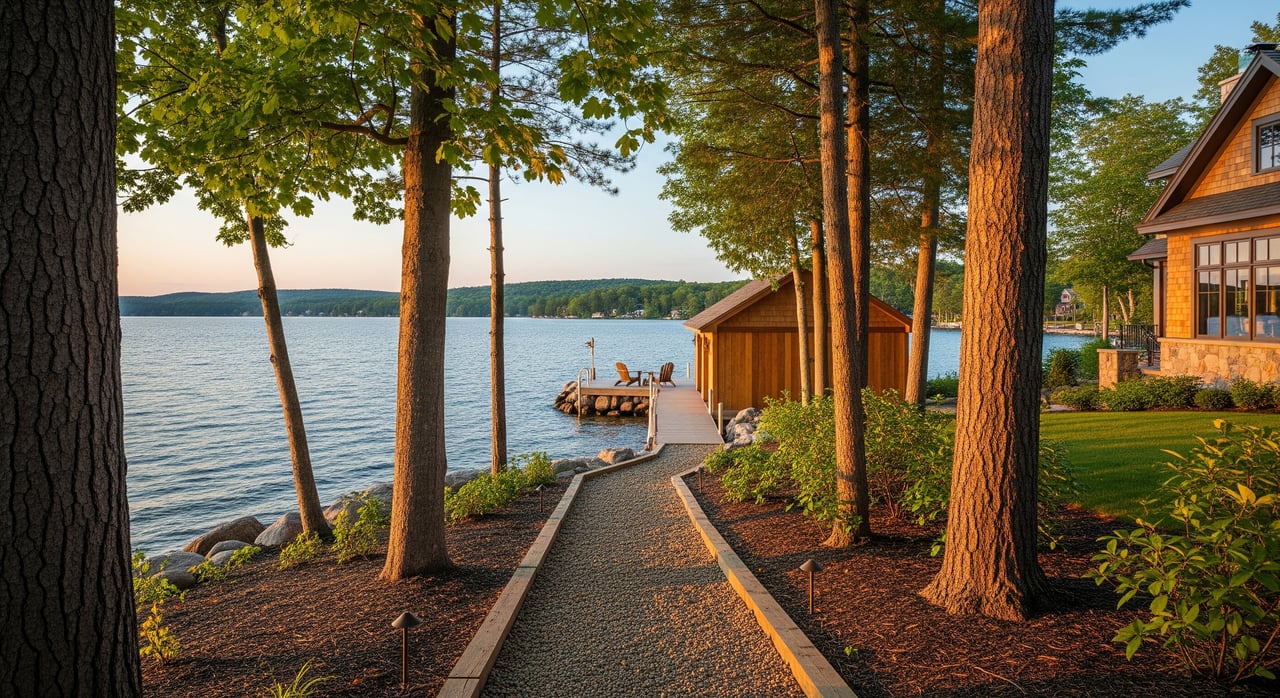
- Defined location. The instrument may fix a specific path, width, dock location, or mooring area. Make sure the written description matches the physical reality.
Environmental and permitting limits
- State and county permits. Work in inland lakes and along shorelines can require permits. Docks, shoreline stabilization, and any work in wetlands or the water often need approval from state and local authorities.
- Local zoning. Townships set setback rules, dock standards, and parking limits. These apply even when you have deeded rights.
- Insurance and liability. Private docks and shared spaces may create liability. Associations sometimes require waivers or insurance.
Due diligence steps before you offer
A little homework up front can save time and expense later. Focus on documents, on-the-ground verification, and the right professional support.
Documents to review in Charlevoix County
- Deed and chain of title. Pull the current deed and prior deeds at the Charlevoix County Register of Deeds. Look for recorded easements, covenants, and restrictions tied to the lot and access parcel.
- Recorded easement instruments. Obtain and read the full documents. Confirm who has rights, exclusivity, scope of use, maintenance, and transferability.
- Title commitment and exceptions. Ask your title company to identify all easements, rights-of-way, and any claims that affect access.
- Plat maps and HOA documents. Review plat pages, bylaws, rules, budgets, meeting minutes, and special assessments for common areas.
- Surveys and legal descriptions. A current survey showing the easement boundaries, shoreline lines, and improvements helps confirm practicality and avoid dispute.
- Municipal and county records. Look for permits or violations related to docks, shoreline work, or access improvements.
- Liens and insurance. Check for liens on shared parcels and request association insurance policies that cover the access area.
Questions to ask sellers and associations
- Is the easement recorded and can you see it now?
- How many properties share the access and which lots are included?
- Is the easement appurtenant or in gross, and does it transfer to a buyer?
- Who maintains the path, dock, and shoreline? How are costs split?
- Are there parking spaces and guest policies? Is the route over private or public roads?
- Are there known disputes, boundary issues, or pending litigation?
- What are the rules for boats, docks, swimming, and hours of use?
Walk the access and verify
- Visit at peak and off-peak times. Check weekend crowding, terrain, erosion, and seasonal conditions.
- Confirm the path. Walk the exact route with the seller or agent and bring the survey so you can match it to the ground.
- Check for gates and signage. Ask how keys, codes, or cards transfer at closing.
Professionals to involve
- Title company. Request a commitment and clarify how the easement is insured.
- Licensed surveyor. Verify boundaries and identify any encroachments.
- Real estate attorney. Get help if language is vague, transferability is unclear, or a dispute exists.
- Township and state offices. Confirm permit requirements for docks or shoreline changes before you assume you can add or expand anything.
Walloon Lake local considerations
Walloon Lake is one of Northern Michigan’s most sought-after inland lakes. Access points can be limited, and small differences in documents can have a big impact on how you use the water.
Demand and shared access realities
High demand and limited shoreline can mean shared access points see more activity during peak seasons. Ask how many lots use the access and how neighbors coordinate docks and day use.
Seasonal access and parking
Some routes are steep, icy in winter, or seasonally gated. Parking can be tight or prohibited on certain roads. Confirm practical, year-round access and where you and your guests can park legally.
Dock limits and shoreline sensitivity
Local practices and rules commonly limit dock size or the number of boat slips. Historic dock placements are not always expandable without permits or neighbor agreement. Shoreline slopes, wetlands, and erosion controls can affect any plan to add or modify structures.
Who to contact locally
- Charlevoix County Register of Deeds for recorded documents.
- Township zoning and building departments for setback, dock, and parking rules.
- County and road officials for road and parking questions.
- State environmental and natural resources offices for permits and public access information.
- Local lake associations and neighbors for practical history, use patterns, and norms.
Smart contract contingencies
Strong contingencies give you time to confirm the details and walk away if needed.
Title and survey protections
- Title and easement review. Make your offer contingent on obtaining and approving the recorded easement and the title commitment.
- Survey contingency. Require a current survey that shows the easement location and any encroachments.
- HOA and document review. Include time to review bylaws, rules, budgets, and recent meeting minutes.
Access and permit approvals
- Physical access inspection. Reserve time to inspect the route and parking to ensure it meets your needs.
- Permit feasibility. If you plan a dock or shoreline work, include a contingency for obtaining all required approvals.
Buyer checklist
Use this quick list to stay organized from first showing to closing:
- Request the deed, recorded easements, subdivision covenants, and HOA rules.
- Order an ALTA-level survey that shows easement lines and any improvements.
- Obtain a title commitment and review listed exceptions with your title company.
- Visit the access on a weekend and a weekday, in-season and off-season.
- Ask neighbors and the association about use, parking, and dispute history.
- Confirm local permit rules for docks and shoreline work with township and state offices.
- Add contingencies for title, survey, document review, access inspection, and permits.
- Consult a Michigan real estate attorney if language is ambiguous or disputes exist.
Bottom line for Walloon buyers
“Deeded lake access” can be a great path to the Walloon lifestyle, but the experience depends on the exact language in the recorded documents and the real-world logistics of the access point. When you verify the easement type, scope of use, transferability, maintenance rules, parking, and permitting, you protect your weekends on the water and your long-term investment.
If you want local, hands-on guidance that blends deep Northern Michigan roots with technical know-how, talk with the team at Coldwell Banker Fairbairn Realty. We help you read the fine print, confirm the access you expect, and close with confidence.
FAQs
What does “deeded access” mean for a Walloon Lake home?
- It usually means a recorded right that lets you reach and use the lake from a defined area, as described in the deed, easement, or subdivision documents.
Is deeded access the same as owning waterfront on Walloon Lake?
- No, it grants use rights but not riparian ownership of the shoreline, so control and dock rights are limited to what the documents allow.
Will my deeded access transfer when I buy the property?
- If it is an appurtenant easement, it typically transfers with the land; if it is an easement in gross, transferability depends on the recorded language.
Can I be excluded from a private access point I have rights to?
- If your easement is valid and recorded, others generally cannot exclude you beyond what the agreement allows, but informal or unrecorded use is vulnerable to challenge.
Who pays for maintaining the dock or path at a shared access?
- Maintenance and cost sharing should be spelled out in the easement or association documents, so confirm those terms before you buy.
What if the easement language is vague or very old?
- Vague terms can lead to conflict; obtain a current survey and consult a real estate attorney to interpret or update the agreement before closing.
Do I need permits to add or change a dock at a deeded access point?
- Many shoreline and in-water projects require state and local permits, so confirm requirements with township and state offices before planning any changes.