Wondering whether Crooked Lake should be your summer escape or your full-time address? That question matters more here than it does in many lake markets, because the lifestyle may feel easy either way, but the property itself has to perform in every season. If you are weighing a cottage against a year-round home near Clare, this guide will help you look past the view and focus on the practical details that shape daily life. Let’s dive in.
Crooked Lake at a Glance
Crooked Lake in Garfield Township is a 264-acre spring-fed all-sports lake in Clare County. It is located in the Lake, Michigan 48632 area, just south of US-10 and about seven miles west of Clare. The lake has a public MDNR access site on the northeast shore, though parking is limited.
Locally, Crooked Lake is known for boating, fishing, and the kind of waterfront setting that attracts both vacation buyers and full-time residents. The lake reaches roughly 73 to 75 feet at its maximum depth, which supports recreation across much of the season. That said, the choice between seasonal and year-round living usually comes down to access, utilities, and winter readiness rather than the lake itself.
Why the Setting Matters
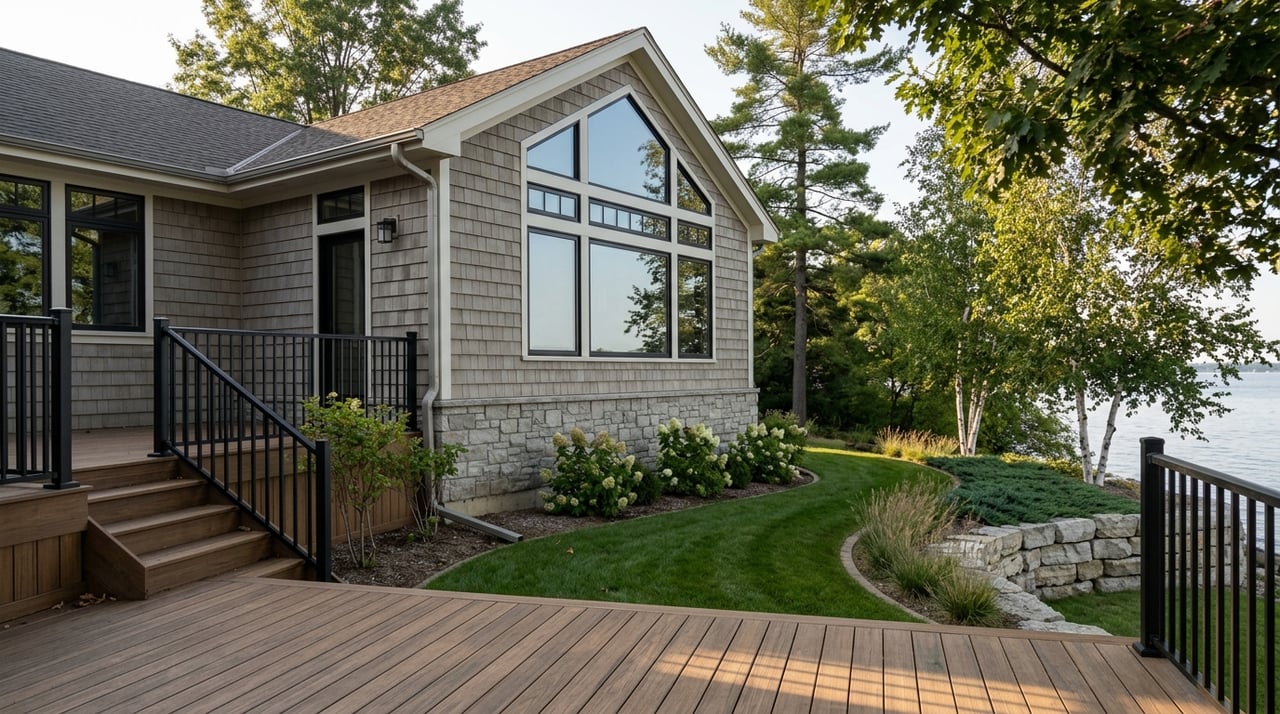
Not every lakefront lot works the same way. Garfield Township describes the Crooked Lake area as having sandy soils, a high-banked shoreline, and a steep littoral drop-off. Those features can affect drainage, shoreline use, and how you plan for docks, stairs, and outdoor access.
For you as a buyer, that means a home can look perfect in July and still require careful review for year-round use. A sloped lot, limited flat land, or a tricky shoreline setup can influence maintenance needs in every season. It does not rule out full-time living, but it does raise the importance of evaluating the site as well as the house.
Seasonal Living on Crooked Lake
A seasonal property can be a great fit if your main goal is warm-weather boating, fishing, and weekend lake time. Crooked Lake’s all-sports character supports that lifestyle well, and many buyers are drawn to the simpler rhythm of a second home.
Seasonal use often works best when you do not need daily winter access and you are comfortable shutting the property down for part of the year. In that setup, the focus is usually on protecting plumbing, monitoring the home during cold weather, and planning for periods when the property may sit vacant.
When a Seasonal Cottage Makes Sense
A seasonal Crooked Lake home may be the better choice if you:
- Plan to use the property mostly from late spring through fall
- Want a retreat rather than a primary residence
- Are comfortable winterizing plumbing or using a home designed for part-time use
- Do not need immediate access after every winter storm
This option can be especially appealing if you value the lake lifestyle but want fewer day-to-day expectations during the coldest months. The tradeoff is that you need a solid winter shutdown plan to reduce the risk of frozen pipes and deferred maintenance.
Year-Round Living on Crooked Lake
Living on Crooked Lake full time can be rewarding, but it asks more of the property. The lake supports the lifestyle, yet the bigger question is whether the home, driveway, road, and utility systems are ready for Michigan winters.
A year-round home usually needs dependable heat, plumbing that is protected against freezing, and on-site systems that can handle daily occupancy. It also needs practical access when snow, ice, and freeze-thaw conditions become part of normal life.
What a Full-Time Home Needs
If you are considering year-round living, pay close attention to these basics:
- Reliable heating for extended cold periods
- Plumbing that has been protected or updated for winter conditions
- Well and septic systems maintained for regular use
- A road and driveway plan that works during and after snow events
- A parcel layout that supports drainage and future system needs
This is where one lake house can be very different from another. Two homes may appear similar from the road, but their maintenance demands and winter performance can vary quite a bit behind the scenes.
Winter Access Can Be the Deciding Factor
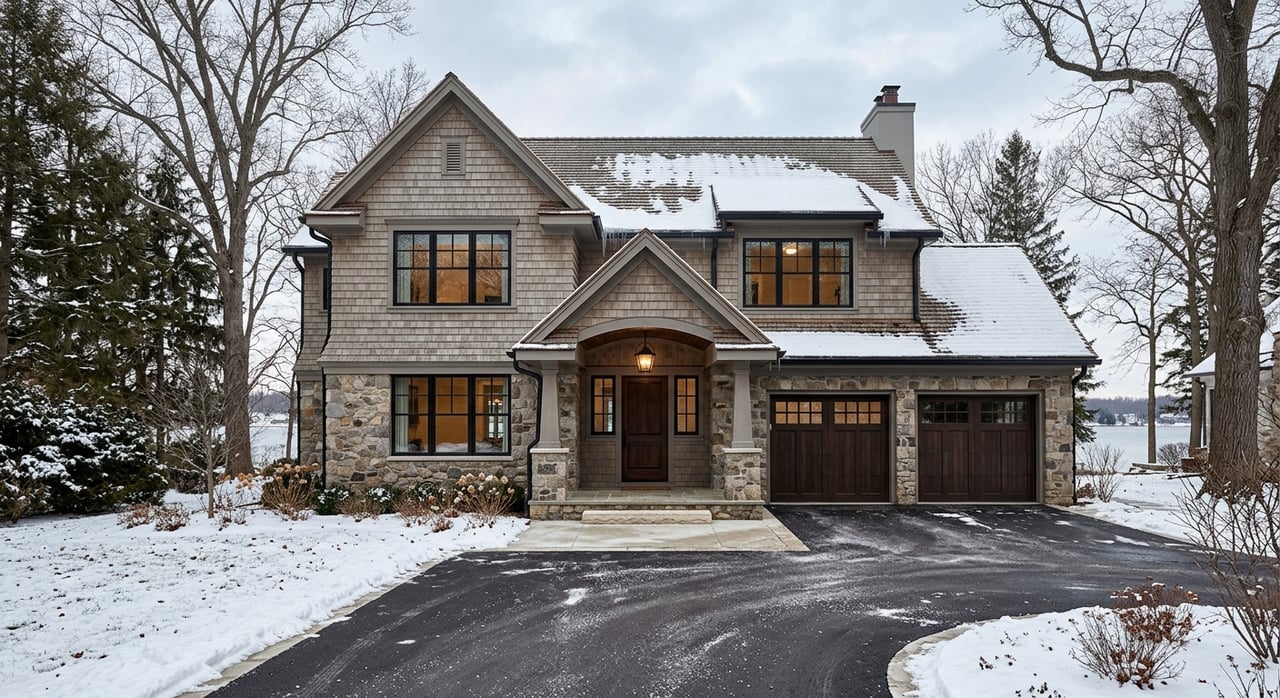
Road access is often the biggest difference between a fun seasonal place and a workable year-round home. The Clare County Road Commission plows more than 1,000 miles of public roadway and prioritizes snow removal by traffic volume. It notes that roads can take up to three working days after a storm ends to open, and repeated storms can delay lower-priority roads even longer.
That matters if your property sits on a less-traveled road, near a subdivision road, or along a route that is not the first priority after snowfall. A township example in Clare County also notes that seasonal roads are not maintained in winter, while private-road plowing, brining, and ditch work fall to owners or road associations.
Questions to Ask About Access
Before you commit to full-time use, ask:
- Is the road public, private, or seasonal?
- Who handles snow plowing?
- How quickly is the road usually cleared after a storm?
- Is the driveway easy to maintain in snow and ice?
These are simple questions, but they shape daily life in a very real way. If you plan to come and go all winter, access should be one of your first checks, not an afterthought.
Plumbing and Freeze Risk Are Real
Michigan winter pipe damage is a serious issue. State MIREADY guidance says a quarter-million homes are damaged each winter by frozen water pipes, and both plastic and copper pipes can burst. On a lake property, that risk becomes even more important if parts of the home are lightly insulated, unheated, or left vacant.
Nearby climate patterns help explain why. A Mount Pleasant area climate baseline shows year-round precipitation, and a nearby frost-date guide lists an average last spring frost around May 6 and first fall frost around October 13. That leaves a growing season of about 159 days, which is a useful reminder that shoulder seasons can turn quickly.
What This Means for You
If you are buying with year-round use in mind, look for signs that the home has already been prepared for winter conditions. Continuous heat, protected plumbing, and a clear plan for cold snaps matter more than a simple summer cottage setup.
If you are buying for seasonal use, ask how the property is shut down for winter and what systems need attention before freezing weather arrives. That can help you avoid expensive surprises later.
Well and Septic Deserve Close Review
On Crooked Lake, water and wastewater systems can play a major role in whether a property feels easy to own. The Central Michigan District Health Department says existing septic and well evaluations may be required in some permit-related situations, and some lenders may also require an evaluation where there is no designated time-of-transfer program.
For vacant land or properties with future building plans, the department reviews factors such as soil type, permeability, seasonal high water table, slope, separation distances from surface water and property lines, easements, and runoff patterns. In a lake area with sandy soils and steep shoreline conditions, those details matter.
Maintenance Items to Verify
CMDHD recommends:
- Testing private wells for total coliform bacteria and nitrate every year
- Pumping septic tanks every three to five years
EGLE notes that individual homeowner septic systems are typically permitted and inspected by the local health department. For you, the practical takeaway is simple: do not assume a similar-looking neighboring property has the same infrastructure condition or future flexibility.
How to Tell Seasonal From Year-Round
When buyers ask whether Crooked Lake is better for seasonal or full-time living, the honest answer is that both can work. The better question is whether a specific property matches the way you want to use it.
A seasonal cottage is usually easier to own if you plan around warm-weather recreation and occasional winter shutdown. A year-round home makes more sense if the property already supports full-time occupancy with dependable systems, stable access, and a realistic maintenance plan.
A Simple Comparison
| Use Style | Best Fit For | Key Watchouts |
|---|---|---|
| Seasonal | Weekend use, summer stays, part-time ownership | Winterizing plumbing, vacancy, delayed winter access |
| Year-round | Full-time living, daily occupancy, four-season use | Heating reliability, road access, well and septic capacity |
The lake lifestyle may be the draw, but the home’s readiness is what makes the difference. That is especially true in a rural lake setting where roads, systems, and lot conditions can vary from one property to the next.
Smart Questions Before You Buy
If you want to make a confident decision, start with a short list of practical questions:
- Is the road county-maintained, private, or seasonal?
- Who plows the road and driveway in winter?
- Is there a recent well test or septic pumping record?
- Has the home been updated or protected for freezing weather?
- Does the parcel have enough usable space for future septic repair or replacement if needed?
These questions can help you see beyond staging and scenery. They also give you a clearer picture of whether a property fits your goals now and years from now.
Crooked Lake offers the kind of setting many buyers picture when they think about Michigan waterfront living. Whether it should be your year-round home or your seasonal getaway depends less on the lake’s appeal and more on the property’s ability to handle winter, access, and on-site systems with confidence. If you want local guidance on evaluating waterfront property in Northern Michigan, connect with Coldwell Banker Fairbairn Realty.
FAQs
Is Crooked Lake in Clare County good for year-round living?
- Yes, Crooked Lake can work for year-round living, but the deciding factors are usually winter road access, dependable heat, protected plumbing, and well and septic readiness rather than the lake itself.
What makes a Crooked Lake cottage seasonal instead of full-time?
- A seasonal cottage is typically better suited for part-time use, winter shutdown, and less frequent cold-weather access, while a full-time home should be set up for continuous winter use and daily occupancy.
What should buyers ask about winter access near Crooked Lake?
- You should ask whether the road is public, private, or seasonal, who plows it, and how quickly it is typically cleared after snow events.
Do Crooked Lake homes need well and septic checks?
- Many buyers choose to review well test results, septic pumping records, and any available system evaluations because maintenance needs can vary widely from one property to another.
Why do lot conditions matter on Crooked Lake?
- Garfield Township describes the area as having sandy soils, high banks, and steep shoreline conditions, which can affect drainage, usable yard area, and future well or septic planning.