If you are getting ready to sell a Burt Lake waterfront home, you are not just listing a house. You are presenting a shoreline lifestyle, water access, and a setting that buyers may have been waiting years to find. That can feel exciting and a little overwhelming, especially when questions about permits, water levels, and pricing start to pile up. This guide will help you focus on the steps that matter most so you can prepare with confidence. Let’s dive in.
Why Burt Lake sales need a different plan
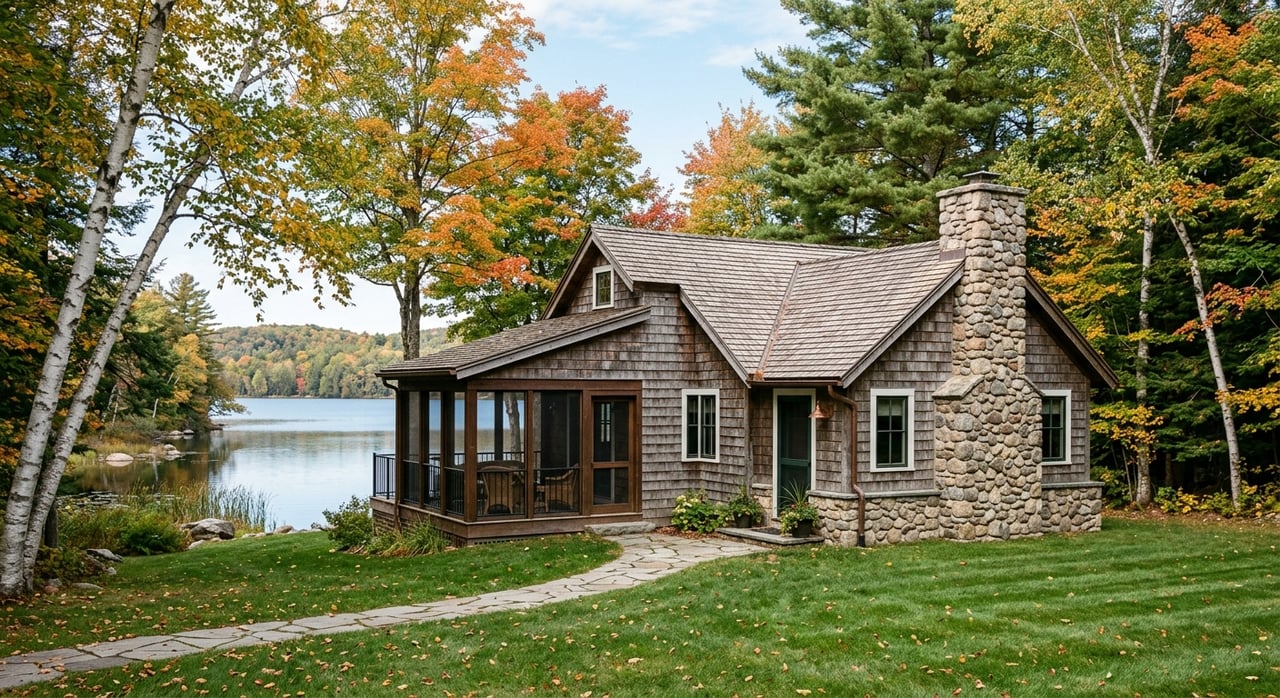
Burt Lake is a 27-square-mile recreational lake and part of Michigan’s Inland Waterway, a 38-mile navigable chain that connects Crooked Lake to Lake Huron. That matters because buyers are often evaluating much more than square footage or finishes. They are also thinking about boating access, fishing, shoreline use, privacy, and how the property fits into the larger waterfront experience.
On Burt Lake, the setting can influence value just as much as the home itself. Frontage, dock setup, shoreline condition, and ease of getting on the water can shape how buyers compare one property to another. That is why a waterfront sale usually benefits from a more detailed preparation and marketing strategy than a typical inland listing.
Gather records before you list
One of the best ways to reduce stress during a waterfront sale is to collect your paperwork early. Buyers often ask detailed questions about improvements, systems, and past work near the water. When you have clear records ready, you can answer those questions quickly and help the transaction move more smoothly.
For many Michigan residential sales, the Seller Disclosure Act requires a written disclosure statement before a binding purchase agreement is signed. Written amendments can be made later, but providing information early is important. If disclosure is delivered late, a buyer may have a statutory right to terminate.
For a Burt Lake seller, early disclosure can be especially helpful when it comes to shoreline conditions, septic history, well information, and known maintenance issues. Waterfront buyers tend to look closely at these items during due diligence. Being organized from the start can build trust and reduce surprises.
Records worth collecting early
- Seller disclosure documents
- Septic records and any site evaluation information
- Well permits or records of major well changes
- Surveys or site plans
- Contractor invoices for shoreline or exterior work
- As-built documents, if available
- Records for docks, seawalls, dredging, filling, or other lakefront improvements
- Zoning permits for additions, alterations, or moved structures
Check permit history for shoreline work
Shoreline improvements can be a major selling point, but they can also raise buyer questions. If your property has a seawall, revetment, dock-related work, dredging, filling, or other shoreline changes, buyers may want to know whether permits were required and whether records are available.
In Michigan, EGLE reviews permit applications under Part 301 for inland lakes and streams. Projects such as seawalls, bulkheads, revetments, dredging, and shore projections may receive more intensive review. If any of this work has been done on your property, it is wise to gather the related permits and supporting documents before your home goes live.
Cheboygan County also notes that structures that are erected, moved, added to, or altered require a zoning permit. In addition, a soil erosion permit will likely be needed for grading or other earth change within 500 feet of a lake, pond, river, or stream. If you have completed additions, retaining walls, grading, or similar projects, having those records ready can make a strong impression on serious buyers.
Organize well and septic information
Waterfront buyers often pay close attention to private utility systems. If your Burt Lake home has a well and on-site sewage system, good documentation can help reduce uncertainty during inspections and negotiations.
District Health Department No. 4 handles on-site sewage disposal and water-supply permitting for Cheboygan County. It states that new wells or extensive well changes require a permit application, and site evaluations can document soils and seasonal high water table conditions for septic suitability. If you can provide these records, you give buyers a clearer picture of the property and help support a smoother due diligence period.
Helpful system documents to have ready
- Well permit records
- Records of extensive well changes or upgrades
- Septic permits and inspections, if available
- Site evaluations related to septic suitability
- Service or maintenance records you have kept over time
Stage for the water, not just the rooms
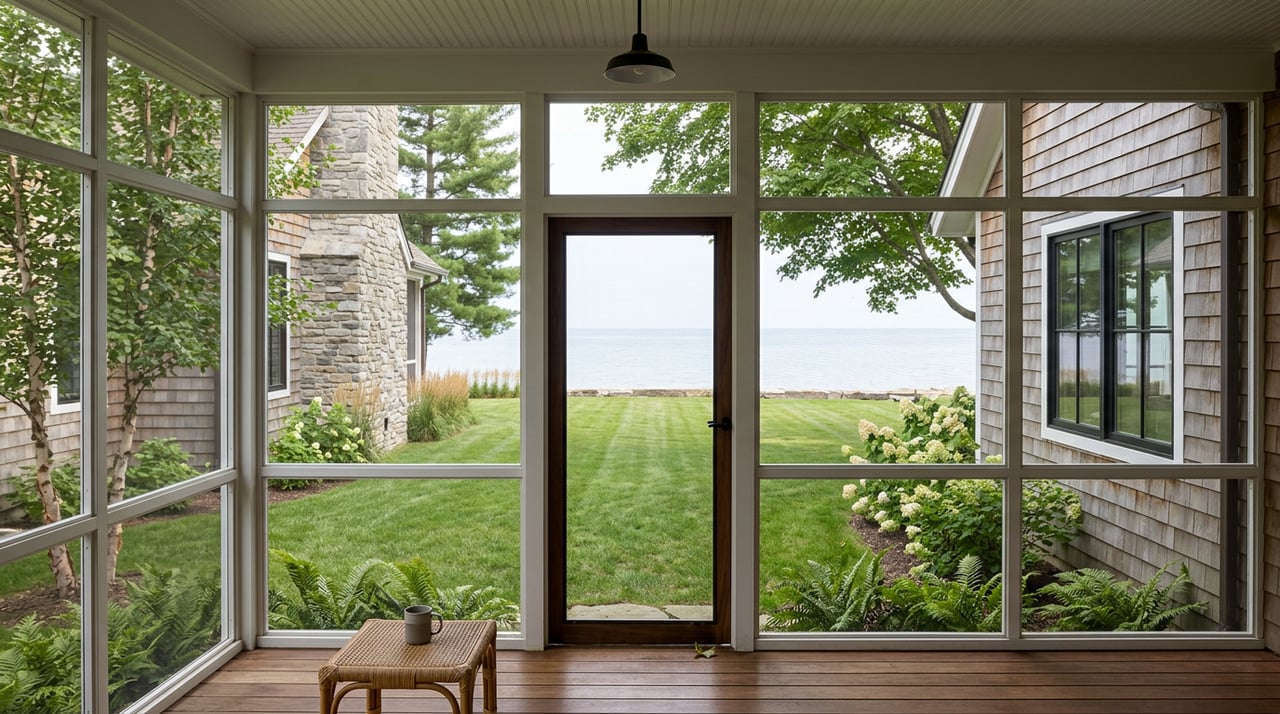
When buyers shop for a lakefront home, they are imagining how it feels to live there. They want to picture the view at breakfast, the ease of walking out to the dock, and the flow between indoor and outdoor spaces. That means your preparation should highlight the waterfront experience, not just the interior.
Recent staging research found that 29% of agents said staging led to a 1% to 10% increase in the dollar value offered, and 49% said it reduced time on market. The same research found that staging helps buyers visualize the property, with the living room, primary bedroom, and kitchen ranked as the most important rooms to stage. For a Burt Lake home, those spaces matter even more when they connect visually to the shoreline.
A strong waterfront staging plan keeps the focus where buyers want it. Clear the window lines, simplify the decor, and remove furniture that makes rooms feel smaller or blocks views. Outside, clean decks and patios, organize boat or kayak storage, and make sure the dock area looks maintained rather than crowded.
Waterfront staging priorities
- Open up lake views from key rooms
- Remove extra furniture to improve flow
- Pack away highly personal items
- Keep the living room, kitchen, and primary bedroom presentation-ready
- Clean outdoor living spaces thoroughly
- Tidy shoreline-access areas and dock approaches
- Organize watercraft and gear storage
Time photos around real shoreline conditions
A Burt Lake property should be photographed when it shows honestly and clearly. Water levels on the Inland Waterway are affected by weather and seasonal factors such as wind, rain, snow, ice jams, spring thaw, shoaling, evaporation, and seasonal drawdown or replenishment periods. Because of that, the look and usability of the shoreline may change throughout the year.
This is one reason timing matters so much in waterfront marketing. You want buyers to see the property when dock access, shoreline visibility, and outdoor spaces feel representative of the home’s typical use. Strong photos and video can help buyers understand the full exterior story, not just the inside of the house.
For many sellers, that means planning ahead instead of waiting until the last minute. A thoughtful launch can give you better listing media and a more accurate first impression in the market.
Price for Burt Lake realities
A Burt Lake waterfront home should not be priced like a generic inland property. Buyers often compare frontage, privacy, shoreline condition, dock quality, utility systems, permit history, and water access when deciding how one home stacks up against another. Small differences on paper can feel very large in person.
That is why a personalized pricing strategy matters. A home with more usable shoreline, clearer records, stronger outdoor presentation, or easier boating access may compete differently than another property with similar interior size. Pricing should reflect the full package buyers are actually purchasing.
In a market like this, local context matters. A careful valuation can help you avoid underpricing a special property or overpricing a home that still needs more preparation.
Create a smoother sale from the start
Preparing well before listing can save time later. It helps you respond to buyer questions, support your asking price, and avoid preventable delays during inspections and negotiations. On waterfront properties, that preparation often has an even bigger impact because buyers are evaluating land, water, structures, systems, and lifestyle all at once.
If you are planning to sell on Burt Lake, it helps to work with a team that understands the Inland Waterway, local permit questions, and how waterfront buyers make decisions. That kind of guidance can sharpen everything from timing and staging to pricing and marketing reach.
When you are ready to take the next step, connect with Coldwell Banker Fairbairn Realty for a free home valuation and a tailored plan for your Burt Lake waterfront sale.
FAQs
What makes selling a Burt Lake waterfront home different from selling an inland home?
- Buyers are often evaluating shoreline use, boating access, fishing, privacy, frontage, dock setup, and the broader waterfront setting along with the house itself.
What disclosure is required when selling a residential home in Michigan?
- For most transfers of 1-to-4 residential dwelling units, Michigan’s Seller Disclosure Act requires the seller to provide a written disclosure statement before a binding purchase agreement is signed.
What records should you gather before listing a Burt Lake waterfront property?
- It is helpful to collect seller disclosure documents, septic and well records, surveys, contractor invoices, zoning permits, and records for shoreline improvements such as docks, seawalls, dredging, or grading.
Why do buyers ask about permits for Burt Lake shoreline work?
- Waterfront improvements may require state or county review, and buyers often want confirmation that work such as seawalls, revetments, dredging, additions, or grading was properly documented.
When is the best time to photograph a Burt Lake waterfront home?
- The best time is usually when shoreline access, dock areas, and outdoor living spaces look clear, usable, and representative, since Inland Waterway water conditions can change with weather and seasonal factors.
How should you stage a Burt Lake lakefront home before selling?
- Focus on opening up water views, simplifying rooms, cleaning decks and patios, organizing shoreline gear, and making the indoor-outdoor flow easy for buyers to picture.