Ever pictured your morning starting on a quiet bay, then turning into a day trip all the way to Lake Huron? Pickerel Lake gives you that blend of calm water and big‑adventure connectivity. If you are considering a waterfront home here, you want clear answers about access, docks, rules, zoning, and what daily life on the lake really feels like. This guide gives you the local context and practical steps to buy with confidence. Let’s dive in.
Pickerel Lake at a glance
Pickerel Lake sits near Alanson in ZIP 49706 and anchors the western end of Michigan’s Inland Waterway. Boats from Pickerel can pass through Crooked Lake, the Crooked River, Burt and Mullett lakes, and on to the Cheboygan River and Lake Huron. According to the Michigan DNR’s fishery report, the lake spans about 1,082 acres with a maximum depth near 75 feet, and it outlines the maintained navigation channel that makes the Waterway possible. You will also see slightly different figures from the Tip of the Mitt Watershed Council, which reports roughly 1,055 acres and a maximum depth near 70 feet. These small differences come from different survey methods and dates, but both sources help you understand the lake’s size and character.
- Reference: See the DNR’s detailed Pickerel Lake fisheries and access report for lake measurements, public launch notes, and the navigation channel background. Michigan DNR Pickerel Lake report
- Watershed context: For shoreline health, monitoring, and plant surveys in the Pickerel‑Crooked system, review the Watershed Council’s resources. Tip of the Mitt Watershed Council
Why buyers choose Pickerel
You get quieter, more sheltered water than the larger mid‑system lakes while still connecting to the full Inland Waterway. That balance is a draw for paddlers, anglers, and boaters who want options. The Crooked River Lock in Alanson manages passage to Crooked Lake and points east, with posted seasonal hours and passes. If a full‑day cruise or multi‑lake weekend is on your list, you can stage it from a Pickerel Lake home.
For everyday living, the lake’s mix of deeper basins and broad shallow weedbeds creates varied experiences. You will find sandy coves that are great for swimming and areas better suited for fishing or low‑wake enjoyment. That variety also affects where docks are placed and what boat drafts work best along different shorelines.
Shorelines and neighborhoods
Pickerel’s shorelines include private lakefront homes, islands and inlets, and public parkland. Camp Petosega offers day‑use amenities and a convenient launch for smaller craft. On the water, you will hear locals reference the Pickerel channel and “Black Hole” area, along with quiet bays favored by paddlers.
Development character changes around the lake. Some north‑shore areas are identified in local planning documents as scenic or resort‑oriented districts, which can come with minimum lot widths, frontage standards, and other controls. Other areas read as classic Northern Michigan residential waterfront. The key takeaway is simple. Do not assume uniform depth, beach type, or zoning standards from one stretch of shoreline to the next. A parcel‑by‑parcel review is essential.
- Planning context: Emmet County planning documents outline shoreline and recreational designations that guide minimum lot sizes, frontage, and setbacks. Emmet County Master Plan
What homes look like on Pickerel
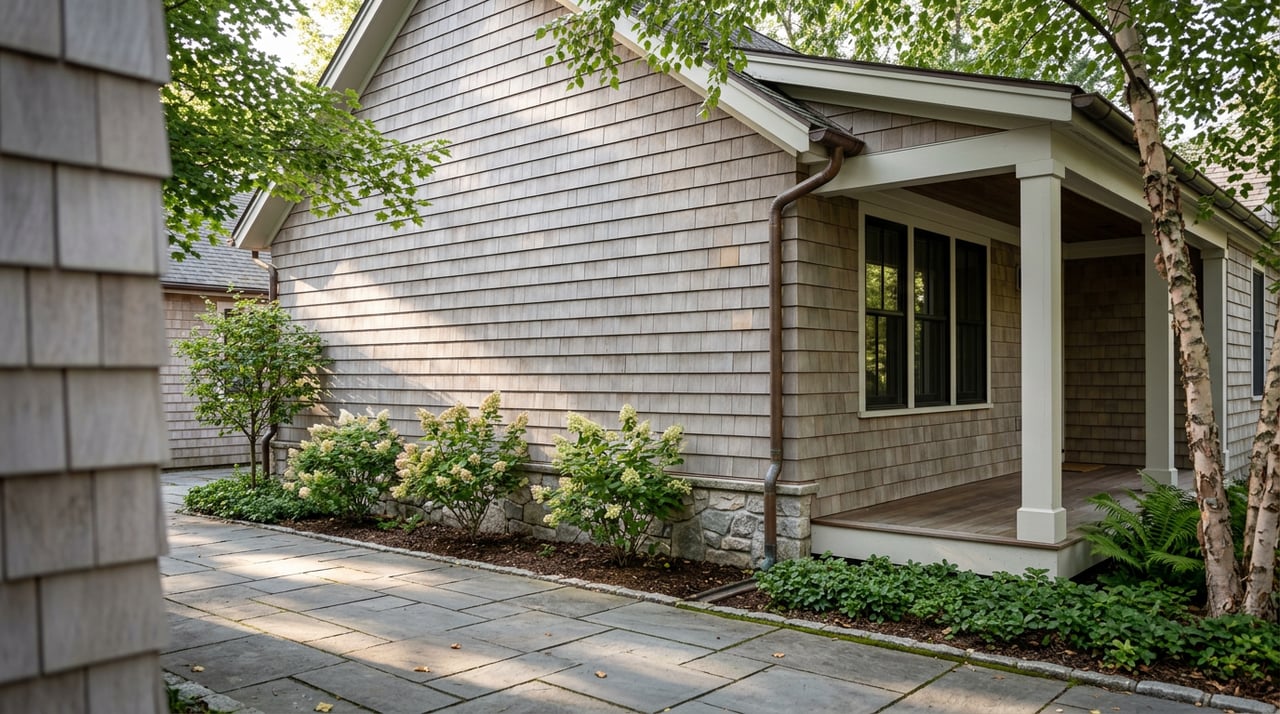
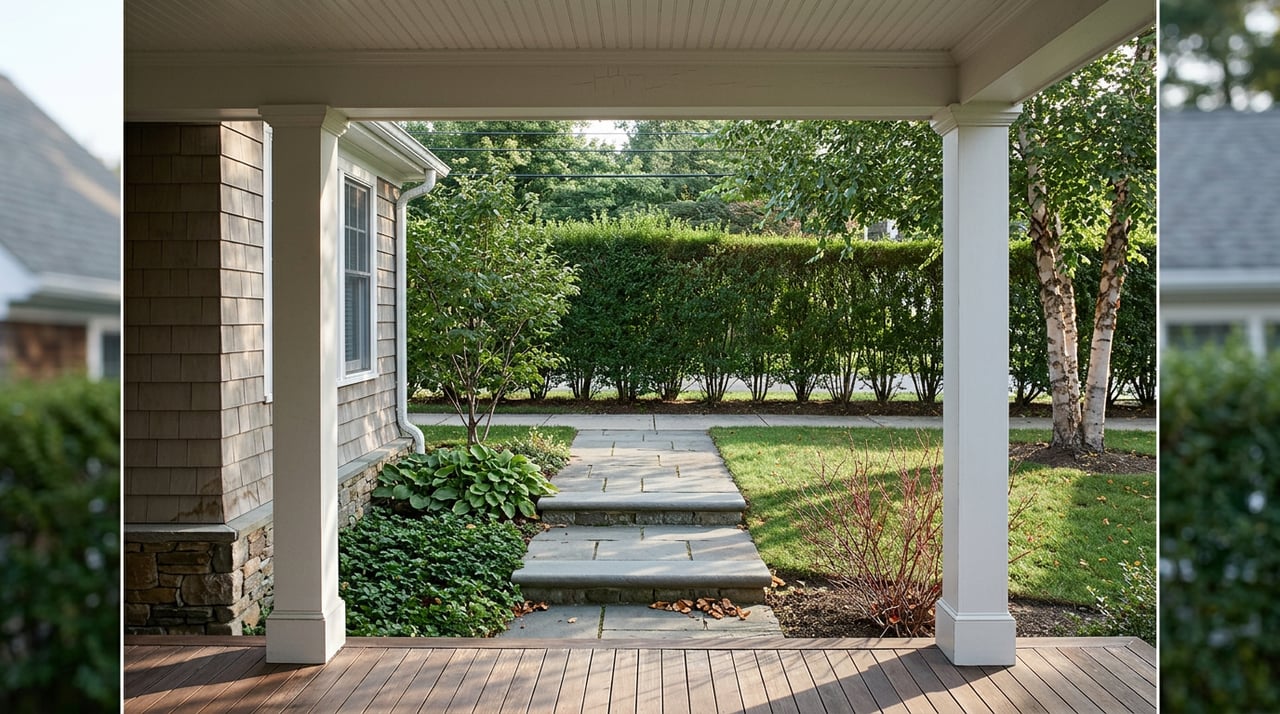
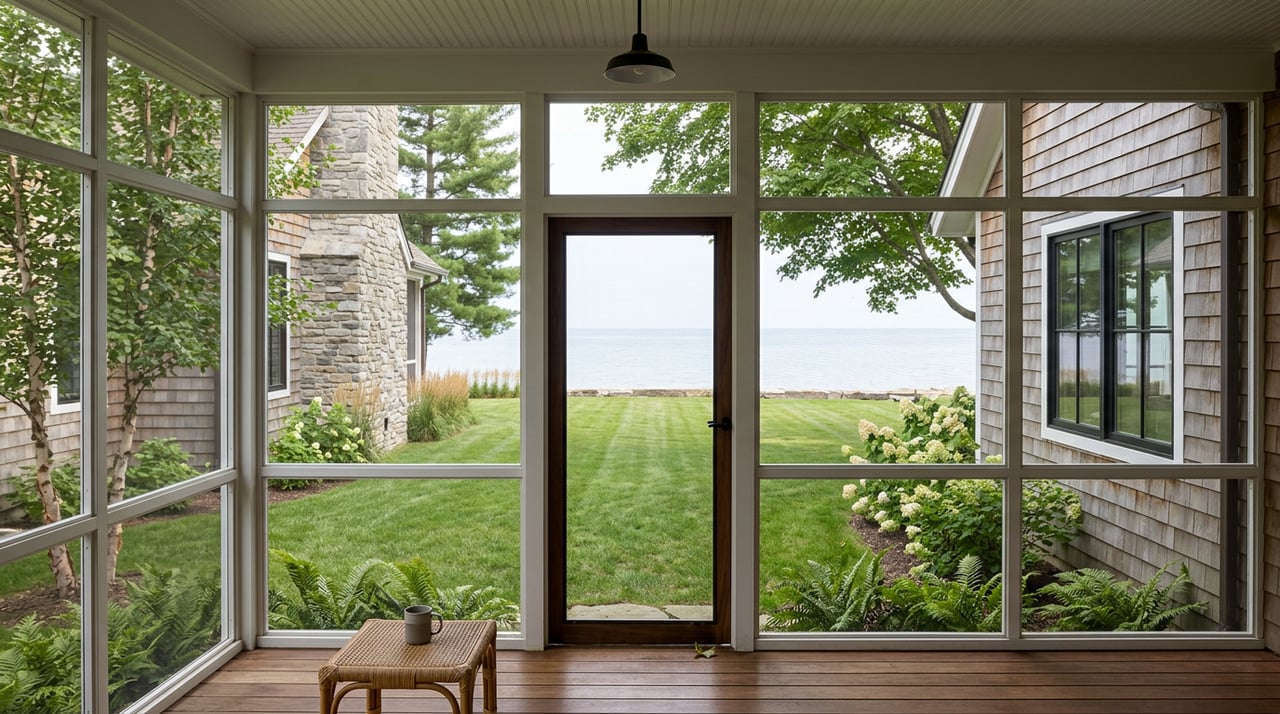
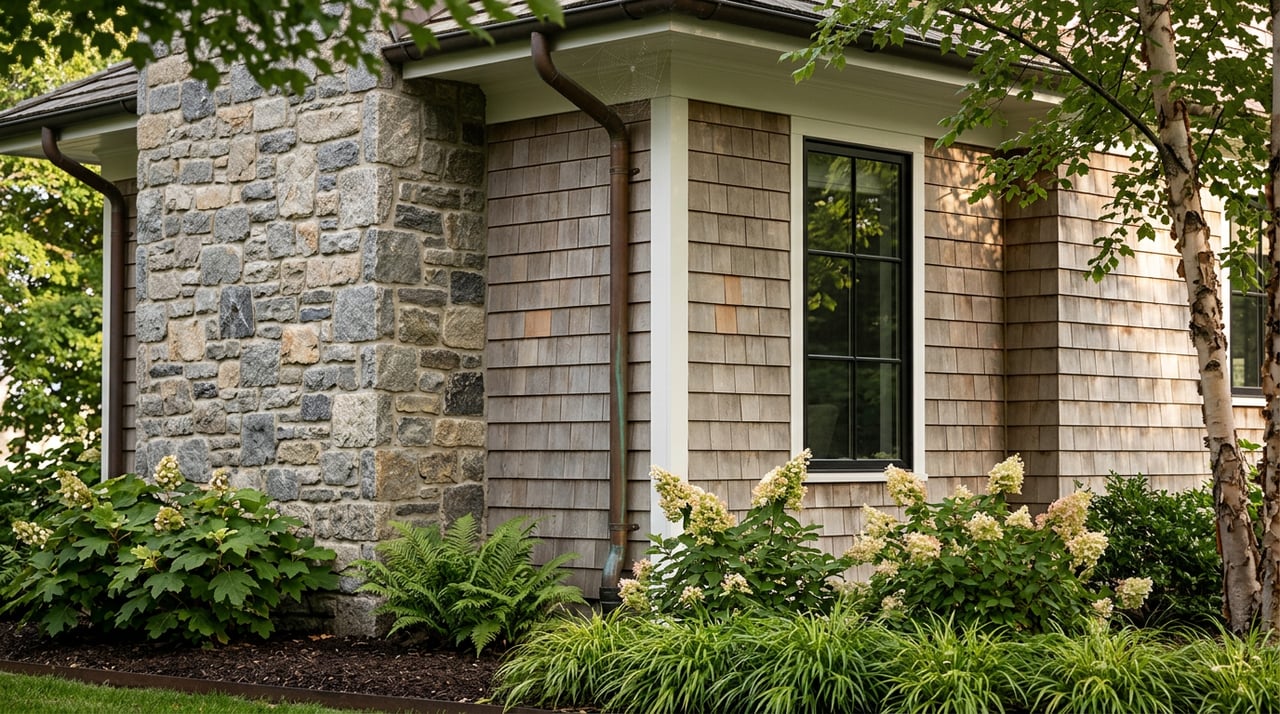
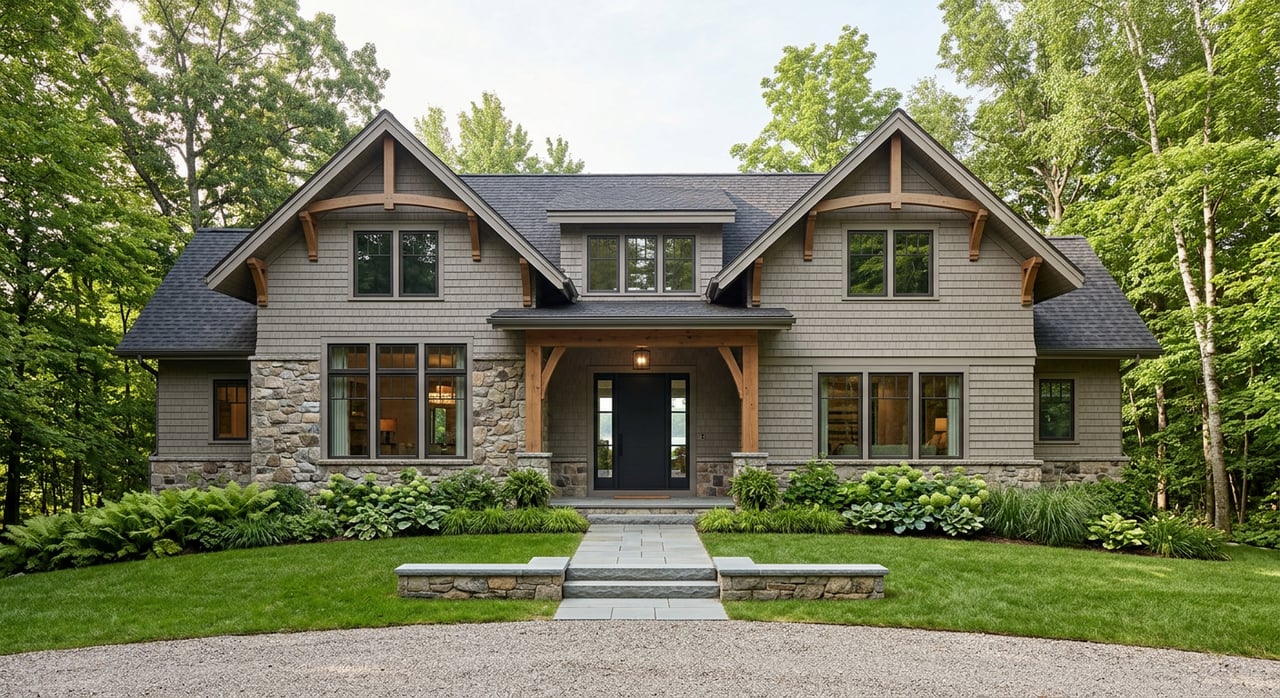
You will see a range of architecture and ages: rustic log cabins, classic seasonal cottages, and fully updated year‑round homes with 2‑story or ranch layouts. Many listings highlight private frontage that often starts around 100 feet, plus docks or dock space. Outdoor living is a priority, so broad decks, patios, and lakeside lawns are common. Interiors on renovated homes tend to feature modern kitchens and baths, with large windows to frame the water views.
If you are shopping remotely, ask for shoreline and depth context in addition to interior photos. The swimming experience, sun exposure, and how a dock sits in summer water levels will matter as much as square footage.
Boating access and rules
Public launches and parks
A small public launch serves the Ellsworth Road and Artesian Lane area at Ellsworth Point, noted in state and local resources. There is limited parking, especially in peak season, so plan ahead if you trailer a larger boat. Camp Petosega on the south shore also offers a beach, day‑use area, and a convenient spot to launch smaller craft.
- Quick reference: Ellsworth/Artesian public access overview. Fishweb access summary
Locks and Waterway logistics
The Crooked River Lock is your gateway east. Operations are seasonal, with posted hours and pass options. Before you plan a one‑day run to Burt or Mullett, confirm current hours and fees, and note that some operators may have specific payment methods.
- Current schedule and pass info: Check the local association’s lock page for updates. Pickerel‑Crooked Lakes Association
Speed and no‑wake zones
The channel that connects Pickerel and Crooked is a posted slow‑no‑wake zone. Expect additional local controls in certain areas for safety and shoreline protection. If you are envisioning high‑speed watersports, map out where speed is permitted versus where no‑wake applies so your routine fits the rules.
- Official local watercraft controls: Review the DNR’s Emmet County listings. Michigan DNR local controls
Docks and permitting basics
Michigan distinguishes seasonal private docks from marinas and permanent bottomland structures. Some truly seasonal docks can be exempt from construction permits. Permanent installations, dredging, seawalls, and marina‑like operations usually require permits and sometimes federal review. When you evaluate a property, verify whether the existing dock or boathouse is permitted and transferable with the deed.
- Permit guidance: See the state overview compiled by Michigan Sea Grant. Michigan dock and marina laws
Buyer due diligence checklist
Use this sequence to confirm the details that matter on a waterfront purchase.
- Confirm deeded frontage and riparian rights.
- Pull the parcel record and the recorded deed to verify legal waterfront footage, riparian language, and any easements or association rights. Start with the county’s online records. Emmet County Register of Deeds search
- Verify zoning, overlays, and setbacks.
- Confirm the zoning district, minimum lot size, frontage, and any shoreline overlays or scenic resource designations that can affect buildable area. Emmet County Master Plan
- Check building and septic history.
- Ask the county building department for permit records and the local health department for septic permits, design, and inspection history. In lake communities, septic capacity and condition are high priorities. Emmet County Building Department contact
- Confirm dock status and bottomlands.
- Determine whether existing docks, lifts, or boathouses are seasonal or permanent and whether any permits were issued. Verify if the structure occupies state bottomlands and whether rights transfer with the property. Michigan dock and marina laws
- Review floodplain, wetlands, and shoreline rules.
- Ask for recent surveys or delineations, and plan any shoreline projects with permit sensitivity. Local stewardship groups track sensitive areas and recommend native buffers and bioengineering where feasible.
- Confirm association rules if applicable.
- If the home is in a neighborhood with shared amenities, request bylaws, mooring and dock policies, fee history, and how assignments transfer.
- Plan navigation logistics.
- If you expect to run the full Inland Waterway, verify lock hours, payment methods, trailered parking capacity during peak season, and nearby fuel and service options.
- Order a current survey and match it to the deed.
- Confirm waterfront footage and identify any recorded easements that affect shoreline or access. Compare the survey to listing numbers and the legal description. You can start your file with the county’s deed and parcel records. Emmet County Register of Deeds search
Stewardship and lake health
Pickerel is part of an actively monitored watershed. Local partners track water quality, watch for aquatic invasive species, and coordinate shoreline best practices. When you evaluate a property, ask about recent plant surveys, any herbicide treatments, and whether boat‑washing programs are promoted locally. For erosion control, many projects now favor native plantings and bioengineered stabilization instead of hard bulkheads where conditions allow. Good stewardship improves swimming conditions, protects habitat, and preserves long‑term value.
How to match home and lifestyle
If you want a peaceful morning paddle with occasional big‑lake adventures, focus on sheltered bays and quick access to the channel. If watersports are your priority, map out the local controls so your preferred activities are convenient from your dock. Year‑round use calls for homes with updated mechanicals and insulation, while summer‑only buyers might prefer classic cottages that can be refreshed over time.
When you are ready to tour, bring a simple checklist: sun path and view corridors, shoreline type and depth at the dock, parking for guests and trailers, and dock storage logistics. Visit at different times of day to understand traffic patterns and wind.
Ready to take the next step on Pickerel Lake? Reach out to the local team that knows this shoreline, the Inland Waterway, and the permitting landscape. Connect with Coldwell Banker Fairbairn Realty for tailored guidance, on‑the‑water context, and a smooth path from offer to closing.
FAQs
Is Pickerel Lake quieter than other Inland Waterway lakes?
- Yes. It is smaller and more sheltered than Burt and Mullett, so it often feels calmer while still connecting to the full Waterway through the Crooked River Lock.
What size boats can navigate from Pickerel to Lake Huron?
- The historic Inland Waterway channel was designed around a shallow navigation depth, and lock operations are seasonal. If you run a larger or deeper‑draft boat, plan conservatively and confirm current conditions and lock hours before long trips.
Where can I launch a boat on Pickerel Lake?
- The public ramp near Ellsworth Road and Artesian Lane serves the northwest shore, and Camp Petosega offers convenient access for smaller craft. Summer parking can fill quickly, so arrive early.
How do dock rights work when buying a waterfront home?
- Do not assume a seller‑installed dock automatically transfers. Verify permits, bottomland status, and transferability. Seasonal docks may be exempt in some cases, while permanent structures and marina‑like uses typically require permits.
What should I check before planning watersports on Pickerel?
- Review local watercraft controls. The connecting channel is posted slow‑no‑wake, and other zones may have speed limits. Plan your routine around permitted areas.
Are septic systems a major consideration on the lake?
- Yes. Ask for septic design and inspection records from the health department and match system capacity to your intended use. Strong septic stewardship supports water quality and protects your investment.