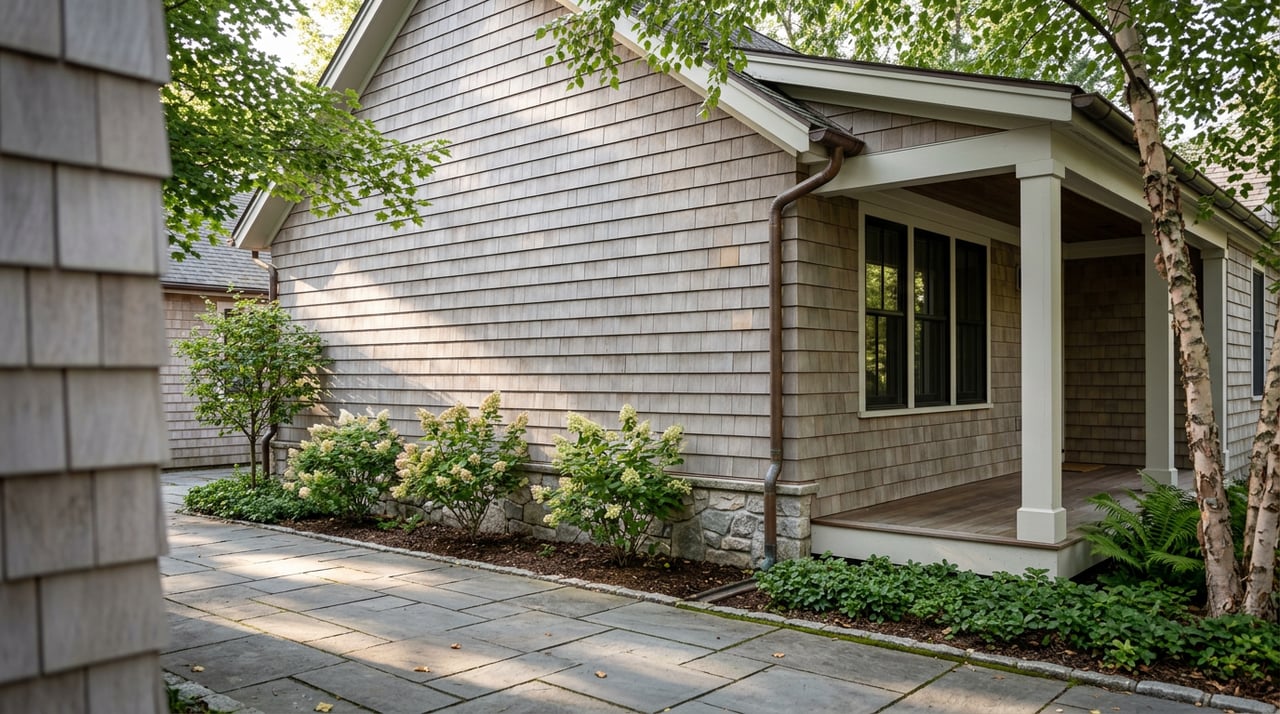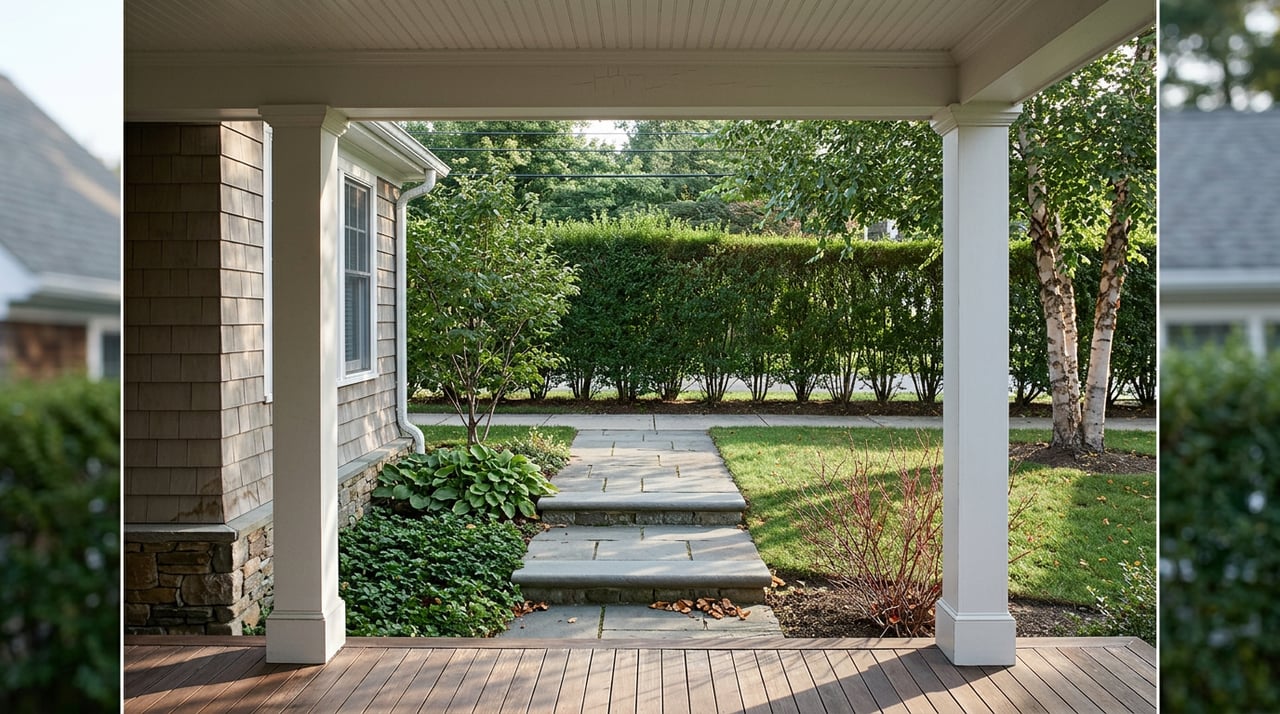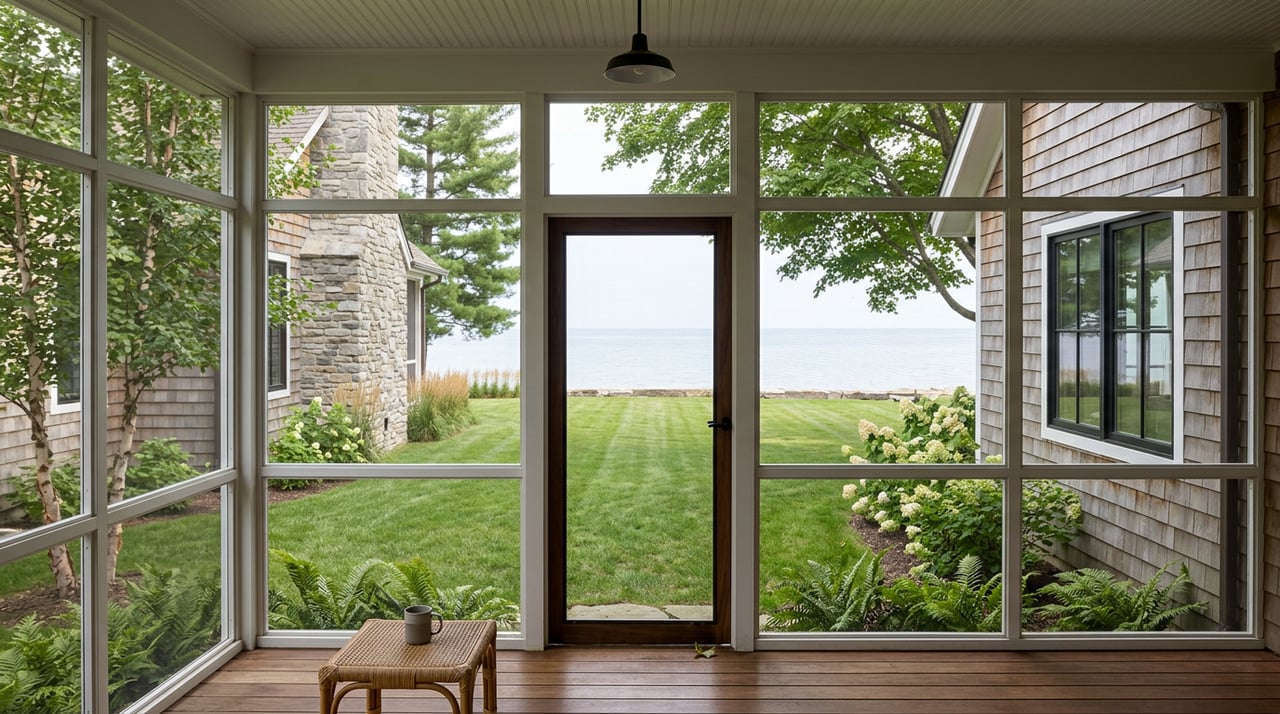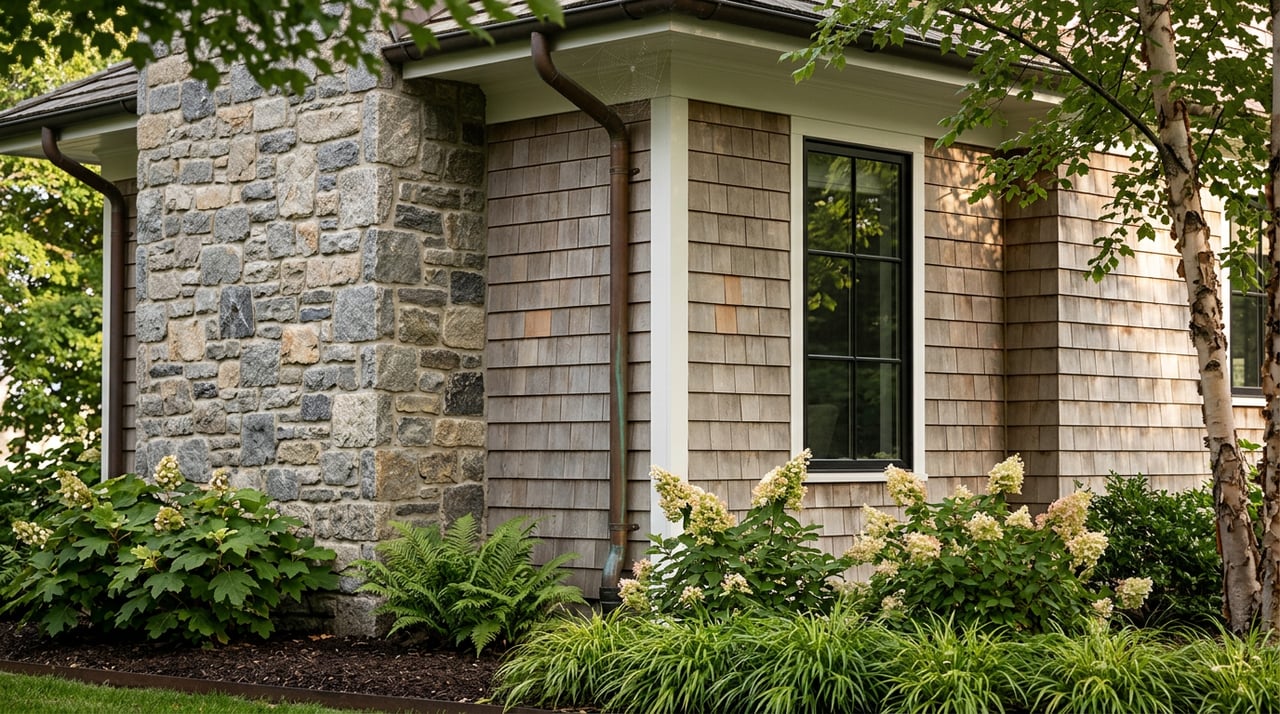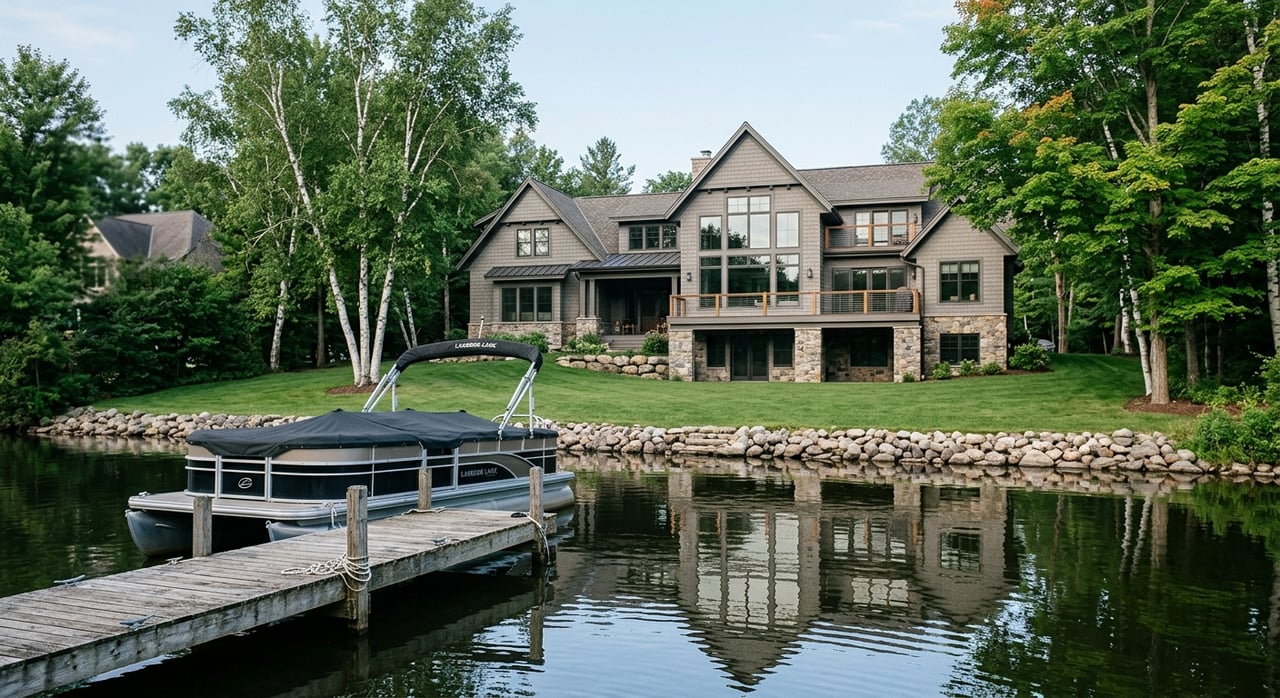
If you picture riverfront living as quiet water and a private dock, the Crooked River may surprise you in the best way. This is not just a scenic shoreline. It is part of Michigan’s historic Inland Waterway, where daily life often includes passing boats, lock activity, and a stronger connection to the broader boating system. If you are thinking about owning a dockside home here, it helps to understand what makes this stretch of water different, what to look for in a property, and whether the lifestyle matches what you want. Let’s dive in.
What makes the Crooked River unique
The Crooked River is about 6.2 miles long and connects Crooked Lake with Burt Lake. That connection gives it a very different feel from a tucked-away inland shoreline because it functions as part of a larger recreational boating route.
The setting also feels more managed than wild. The channel is dredged for boating, and the lock and dam near Alanson regulate Crooked Lake water levels. For you as a buyer, that means the river experience is shaped by both nature and infrastructure.
Along much of the corridor, forested land, grassland, and wetland areas help create the wooded river feel many buyers notice right away. That blend of maintained waterway and natural backdrop is a big part of the Crooked River’s appeal.
Dockside living means boating is part of daily life
A dock on the Crooked River is often more than a nice feature. It is central to how you use the property. Many homes here are best understood as dock-first properties, where boating access shapes both value and daily enjoyment.
The Crooked River Lock handles about 10,000 lockages a year on the 40-mile Inland Waterway. That level of use means seasonal boat traffic is part of the rhythm of the area, especially during peak months.
If you love being connected to an active boating corridor, that can be a major plus. If you want still water and very little boat movement, this may feel busier than expected.
What to expect from lock access
The lock is owned by the U.S. Army Corps of Engineers, leased to the Michigan DNR, and operated by Emmet County Parks and Recreation. The DNR posts a seasonal operating schedule, and elevated water levels can temporarily affect operations.
That matters because your boating plans may depend on seasonal conditions and lock access. If you are buying specifically for Inland Waterway cruising, it is smart to factor that operating rhythm into your expectations.
Slow-no-wake areas matter too
Local watercraft rules include slow-no-wake segments on parts of the Crooked River, including within the village limits of Alanson. That helps shape the pace of boating near some homes and docks.
For you, this can affect how quickly you get in and out, how the water feels near your shoreline, and how active the river seems during busy times. It is one more reason to view the Crooked River as a shared boating environment, not just private frontage.
Property types vary more than you might think
One of the most important things to know about the Crooked River is that ownership options are not one-size-fits-all. Listings along the corridor show everything from smaller lots to larger wooded tracts, and even nontraditional setups such as dockominiums or boat-slip ownership.
Sample listings show parcels around 0.73 acres, 1.03 to 1.1 acres, a smaller 7,841-square-foot lot in Brutus, and larger holdings such as 17.68 acres. In other words, you can find a range of property styles, but many river parcels are relatively compact compared with some broader lakefront settings.
That makes it especially important to match the property to your goals. If you want a simple launch point for boating, one type of setup may work well. If you want a larger private setting with room to spread out, your search may need to be more selective.
Shoreline styles are mixed
The shoreline itself also varies from property to property. Some listings feature landscaped yards and gardens with private docks, while others offer wooded banks, sandy-bottom frontage, private boat wells, or boat-slip-only arrangements.
This is not a corridor with one uniform waterfront look. Instead, the Crooked River offers a mix of improved and lightly improved shorelines, with boating access often taking priority over beach-style frontage.
If your ideal waterfront home includes broad sandy shoreline, this market may require careful filtering. If your top priority is getting on the water easily, the variety here can open up more options.
Utilities and wastewater need early attention
On the Crooked River, utility setup is not something to check at the end of the process. It should be part of your early due diligence because systems vary by parcel and location.
Some Alanson-area properties have city utilities and may include sewer tap fees. Others rely on private wells and septic systems. The Watershed Council notes that the village is sewer-served, while the Devil’s Elbow area relies on on-site disposal.
That means you should confirm exactly what serves a property before you get too far down the road. A home on the river can be a great fit, but the details of sewer connection, septic age, and utility service can affect cost and long-term planning.
Questions worth asking early
Before you buy, consider asking:
- Is the property on municipal sewer or a private septic system?
- If sewer is available, are there tap or connection costs?
- If there is a septic system, how old is it and when was it last evaluated?
- Does the home use a private well or city water?
- Are there any known site limitations tied to wetlands or flood-prone areas?
These are practical questions, but they matter on waterfront property. Early clarity can help you avoid surprises later.
Shoreline changes are regulated
If you are hoping to reshape the shoreline after closing, go in with realistic expectations. Work that affects the water or shoreline may be regulated.
Michigan EGLE’s Inland Lakes and Streams program covers activities such as dredging, filling, bottomland structures, marina changes, and other work that can affect the natural flow of water. In the Village of Alanson, planning guidance also highlights wetland approvals, flood-prone areas, and limits on development adjacent to the Crooked River.
That does not mean improvements are impossible. It means you should verify what is allowed before assuming you can expand a dock, alter the bank, or change how the shoreline functions.
Who is the Crooked River best for?
The Crooked River tends to fit buyers who want direct boating access, a connected Inland Waterway lifestyle, and a shoreline experience centered on the dock. It can be especially appealing if you want to step onto your boat and be part of a larger network that links multiple lakes and communities.
It may be a weaker fit if your top priorities are maximum privacy, broad sandy frontage, or a very low-maintenance shoreline. The active boating environment, mixed lot sizes, and regulated shoreline setting all shape that reality.
That is why the best Crooked River purchase usually starts with an honest conversation about how you want to use the property. The right home here is less about checking a generic waterfront box and more about matching the river’s rhythm to your lifestyle.
How to shop dockside homes wisely
When you are comparing homes on the Crooked River, look beyond square footage and finishes. A beautiful house can feel very different depending on the dock setup, boat access, utility systems, and shoreline conditions.
Here are a few smart ways to evaluate options:
- Prioritize boating function if that is your main goal.
- Compare lot size with usable outdoor space, not just total acreage.
- Confirm utility and wastewater details early.
- Ask about seasonal lock operations and local boating patterns.
- Review any shoreline or improvement limits before planning changes.
With waterfront property, the details around the home often matter just as much as the home itself. That is especially true on a managed, active waterway like the Crooked River.
Why local guidance matters here
Buying along the Crooked River involves more moving parts than a typical residential purchase. You are not just evaluating a house. You are evaluating a water-access lifestyle, a shoreline setup, and a location within a managed boating corridor.
That is where local experience can make a real difference. When you work with a brokerage that knows the Inland Waterway, you can better sort through lot types, dock arrangements, utility differences, and the practical tradeoffs between one stretch of river and another.
If you are considering a dockside home on the Crooked River, Coldwell Banker Fairbairn Realty can help you weigh the lifestyle, property details, and waterfront factors that matter most.
FAQs
What is the Crooked River in Emmet County, Michigan?
- The Crooked River is a roughly 6.2-mile waterway that connects Crooked Lake and Burt Lake and forms part of Michigan’s historic Inland Waterway.
What is dockside living like on the Crooked River?
- Dockside living on the Crooked River usually means being part of an active boating corridor, with seasonal boat traffic, lock activity, and a lifestyle centered on water access.
Are Crooked River properties all large waterfront parcels?
- No. Listing samples show a wide range of parcel sizes, including smaller lots, mid-sized parcels, larger wooded tracts, and even boat-slip or dockominium ownership.
What utilities should buyers check for Crooked River homes?
- You should confirm whether a property uses city utilities, municipal sewer, private well service, or a septic system, since setups can vary by parcel and area.
Can you change the shoreline on a Crooked River property?
- Some shoreline and water-related work may be regulated by Michigan EGLE and local planning considerations, so it is important to verify approvals before planning changes.
Who is a Crooked River home best suited for?
- A Crooked River home is often a strong fit for buyers who want direct boating access and an Inland Waterway lifestyle, and less ideal for buyers focused on broad sandy frontage or very low shoreline maintenance.